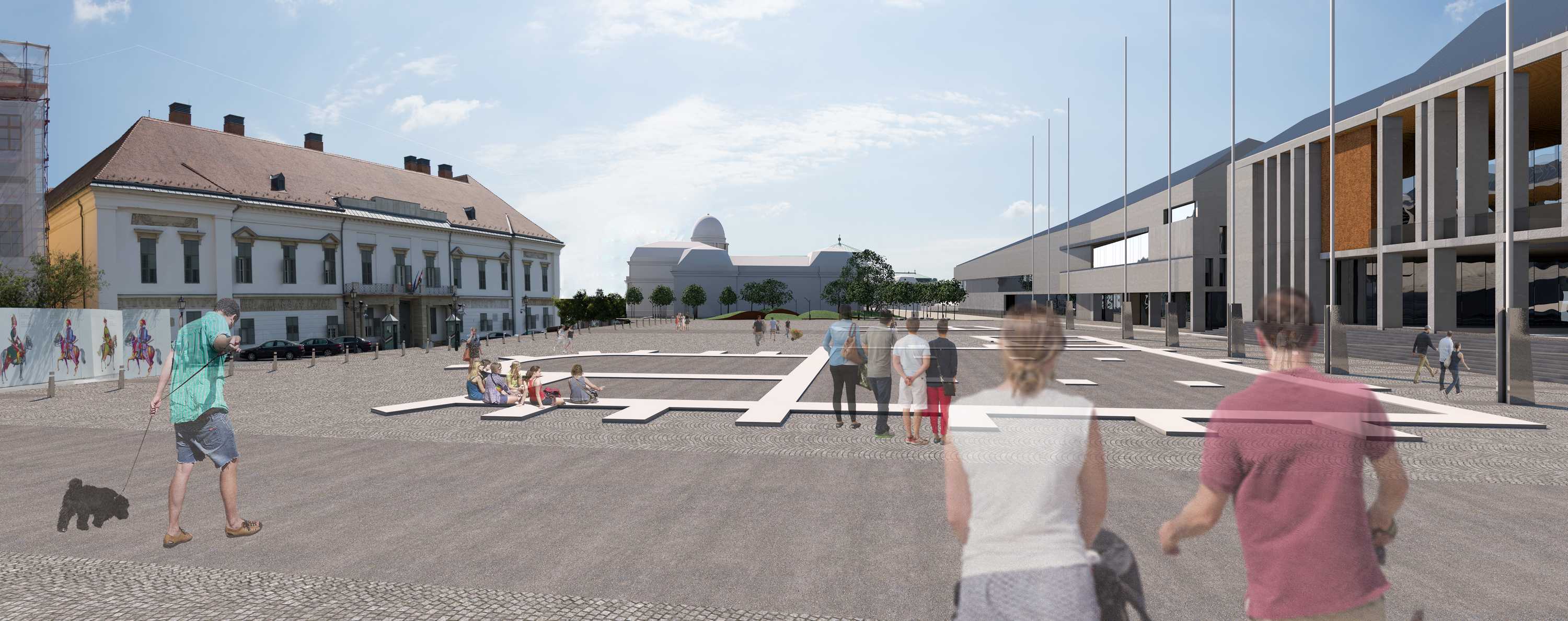
Szent György Square Urban Renewal Competition, Buda Castle, Budapest
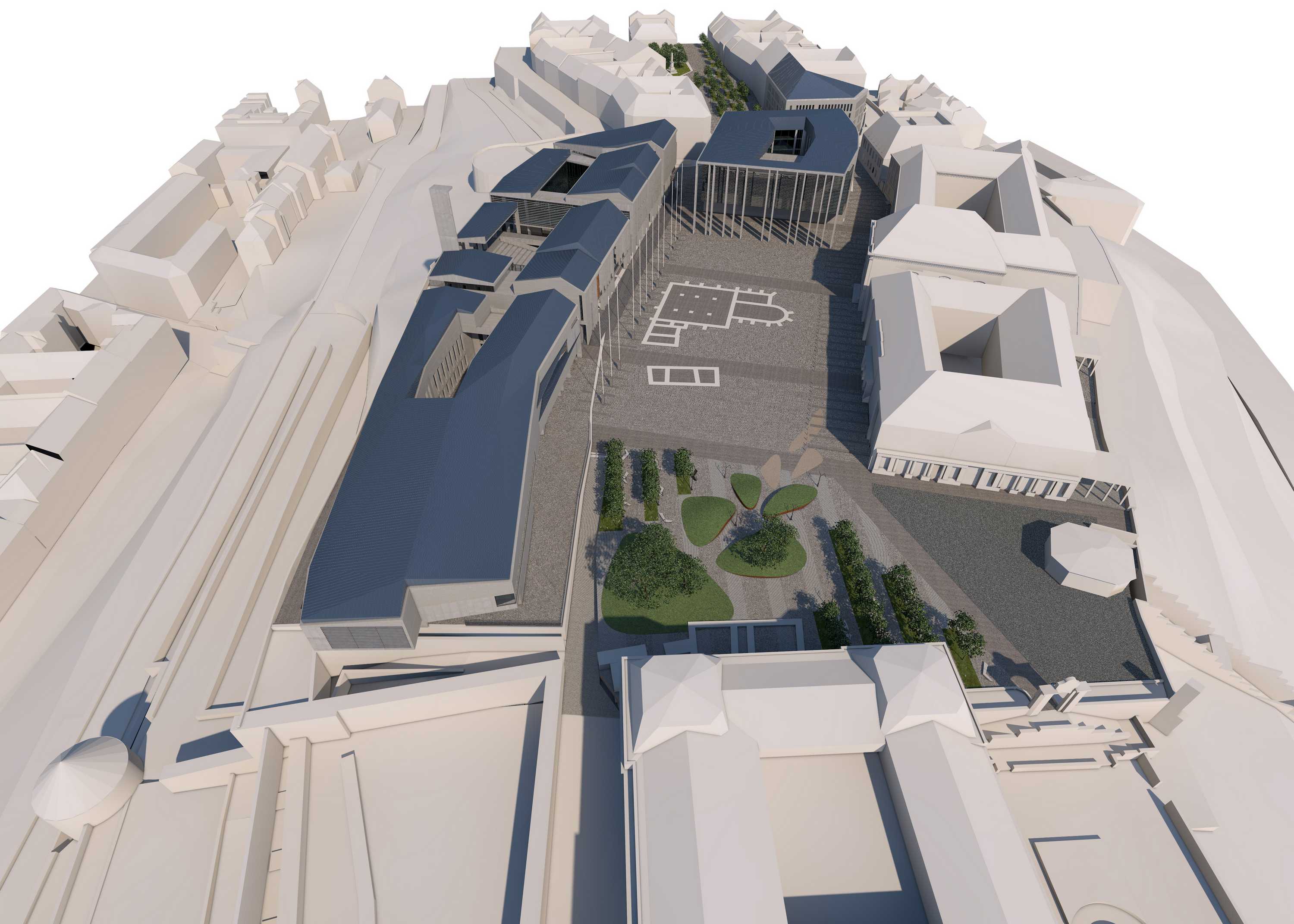
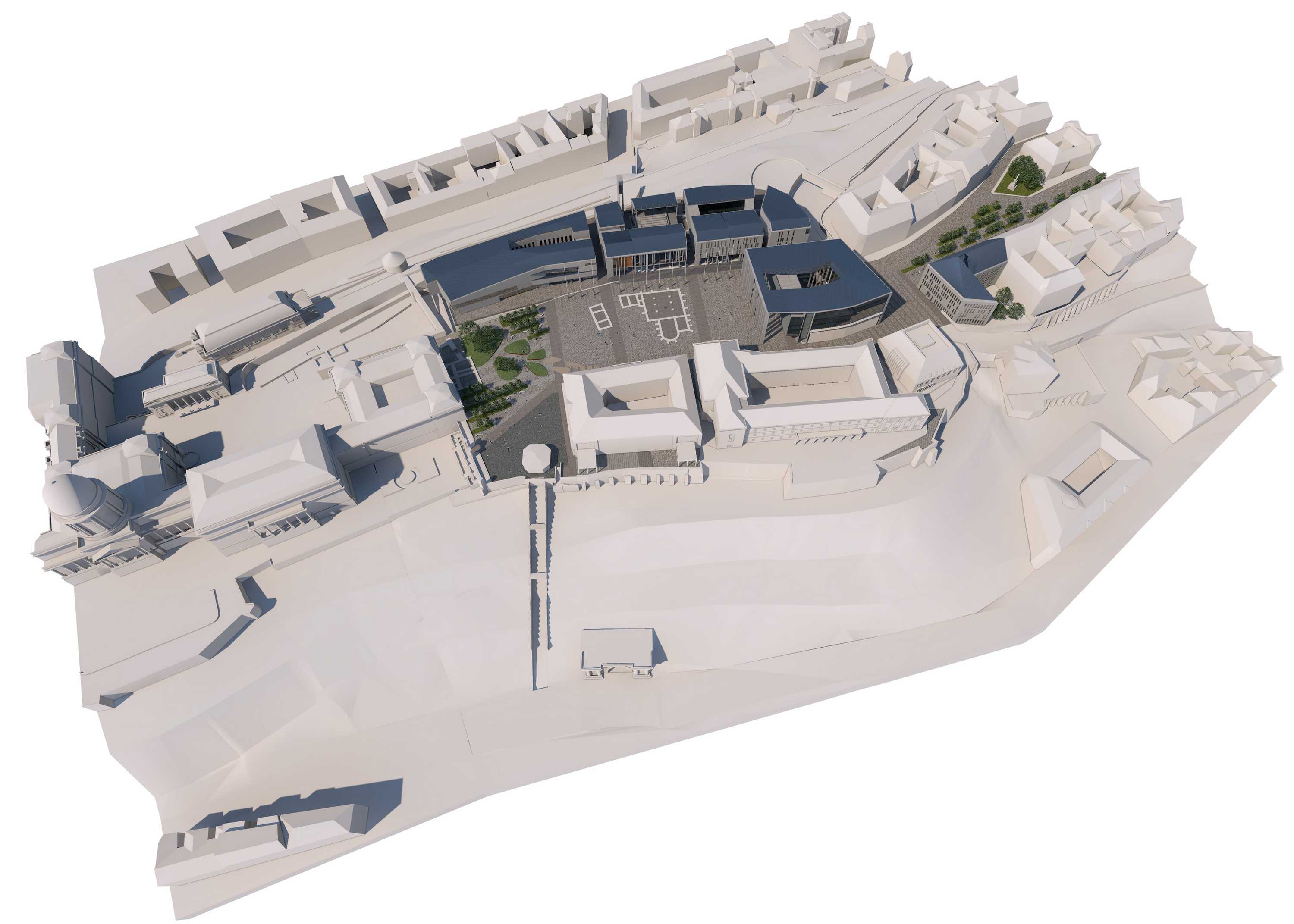
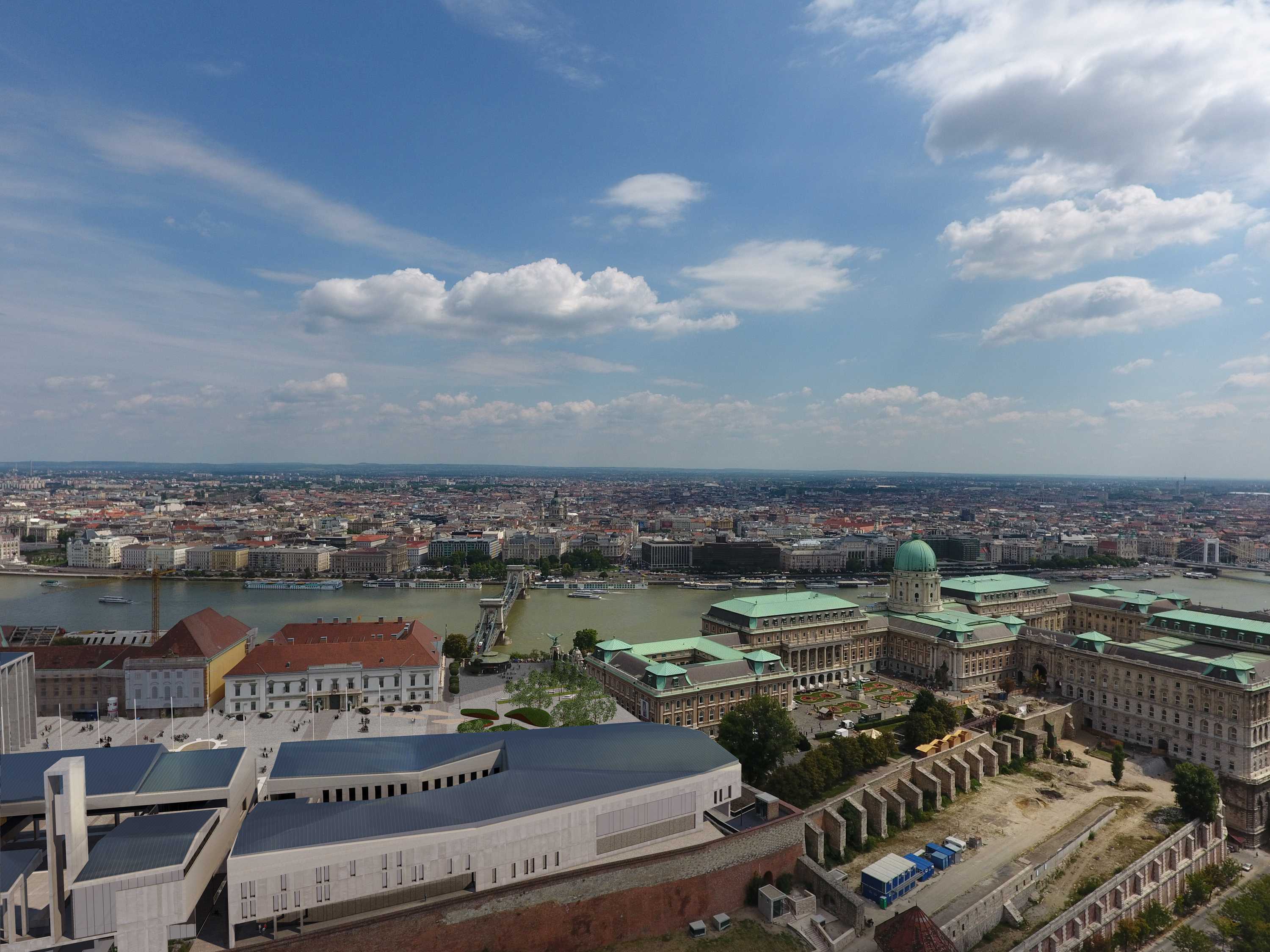
The competition proposal by Sándor Dúzs and Zsófia Schandl of MSK Architects for the redevelopment of Szent György Square engages with a highly complex and sensitive historic environment within the Buda Castle district. The site occupies a unique transitional position between the fine-grained civic fabric of the old town and the monumental scale of the royal palace complex—an urban duality that has defined the area since the Middle Ages and remains evident today.
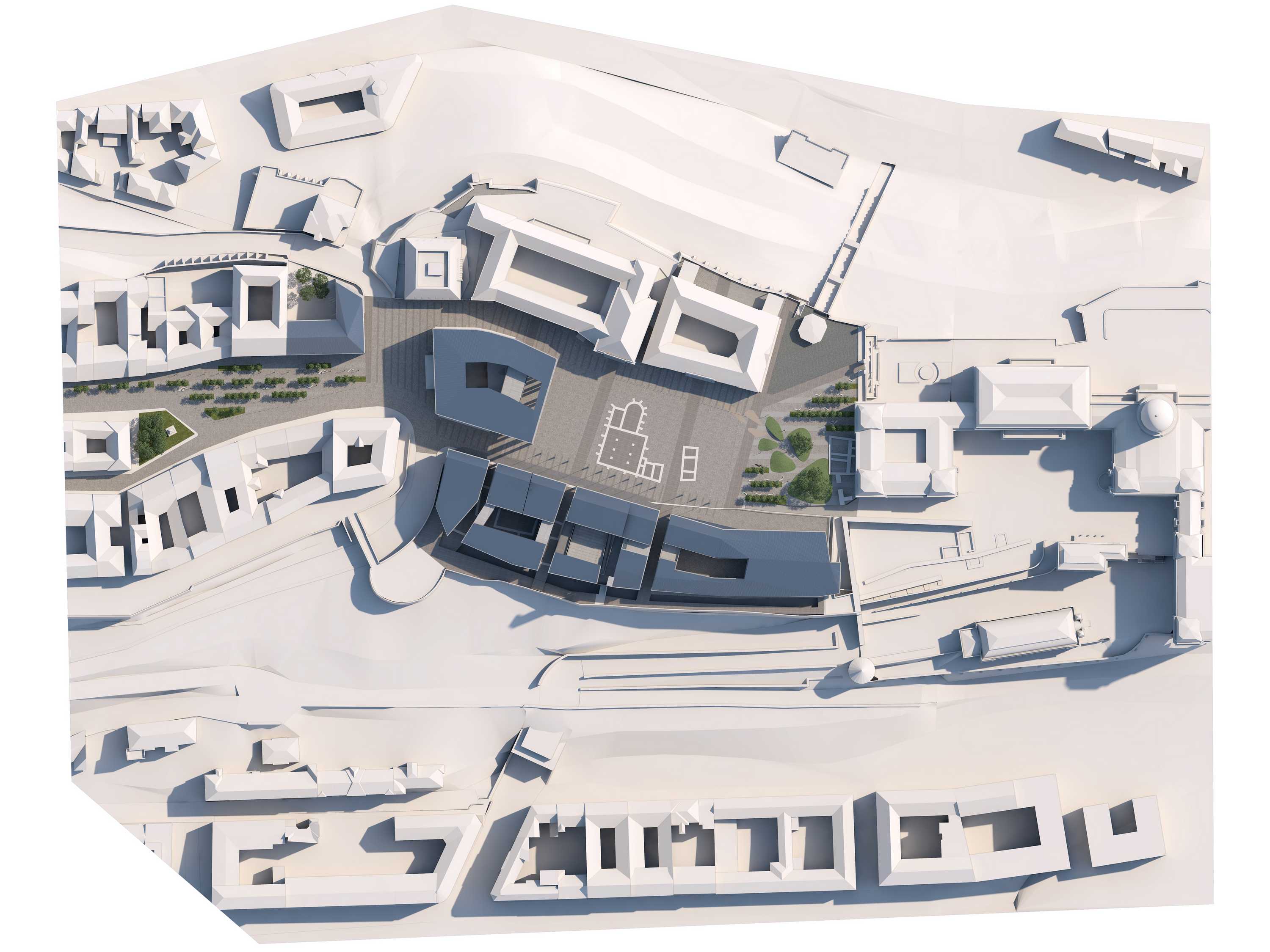
Over time, war damage, partial demolitions, and unfinished interventions have left the square spatially fragmented, with missing building edges, exposed ruins, and unresolved public spaces. The proposal responds to this condition by restoring urban continuity and re-establishing the square’s identity as a coherent, representative civic space.
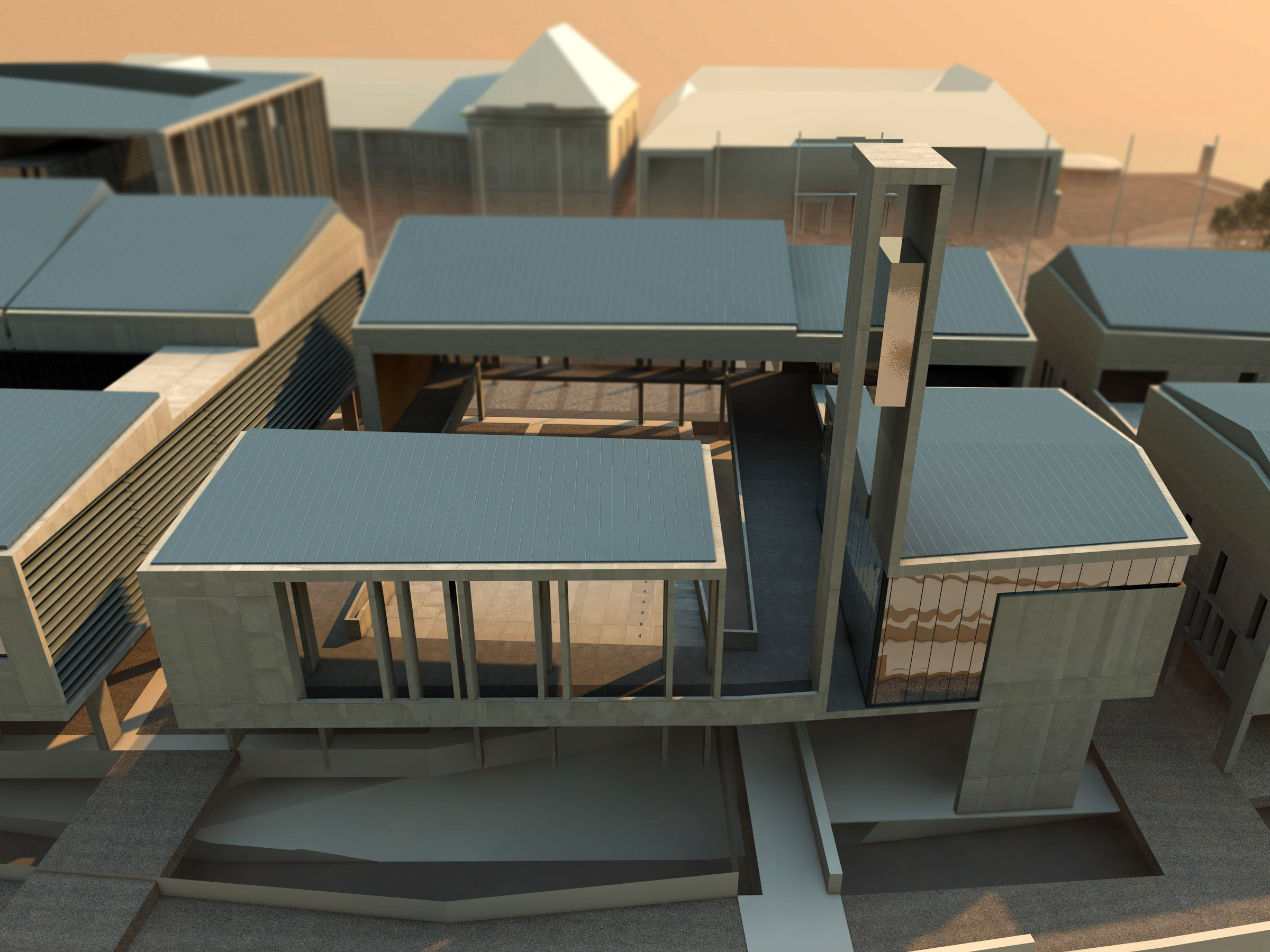
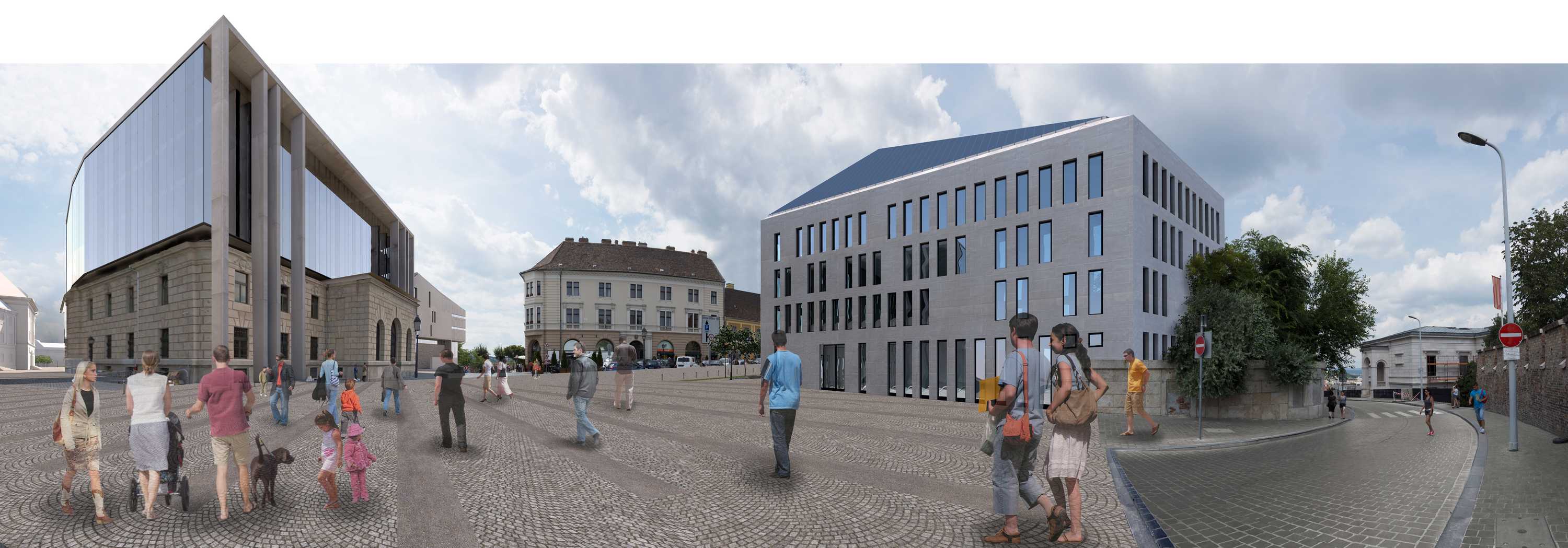
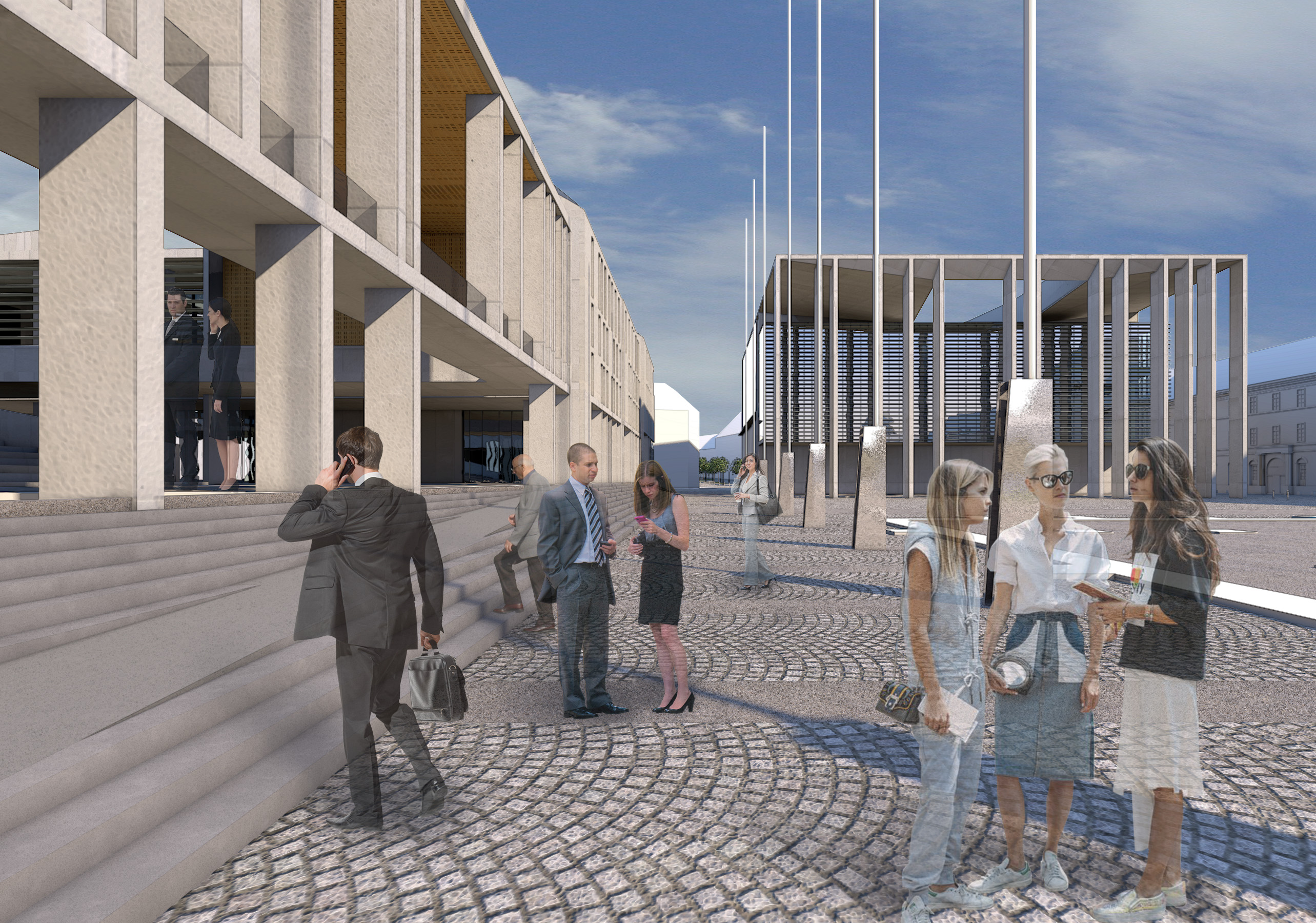
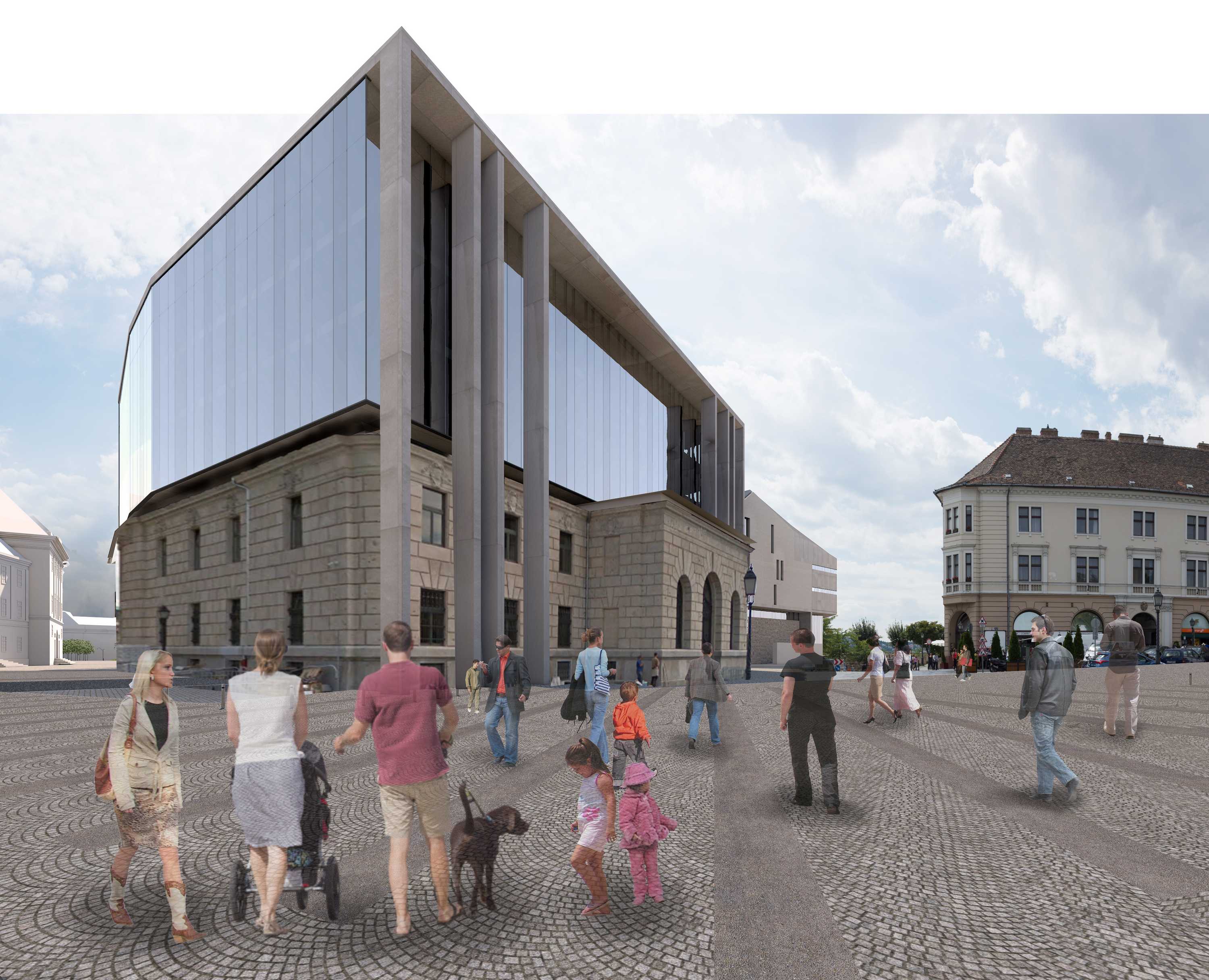
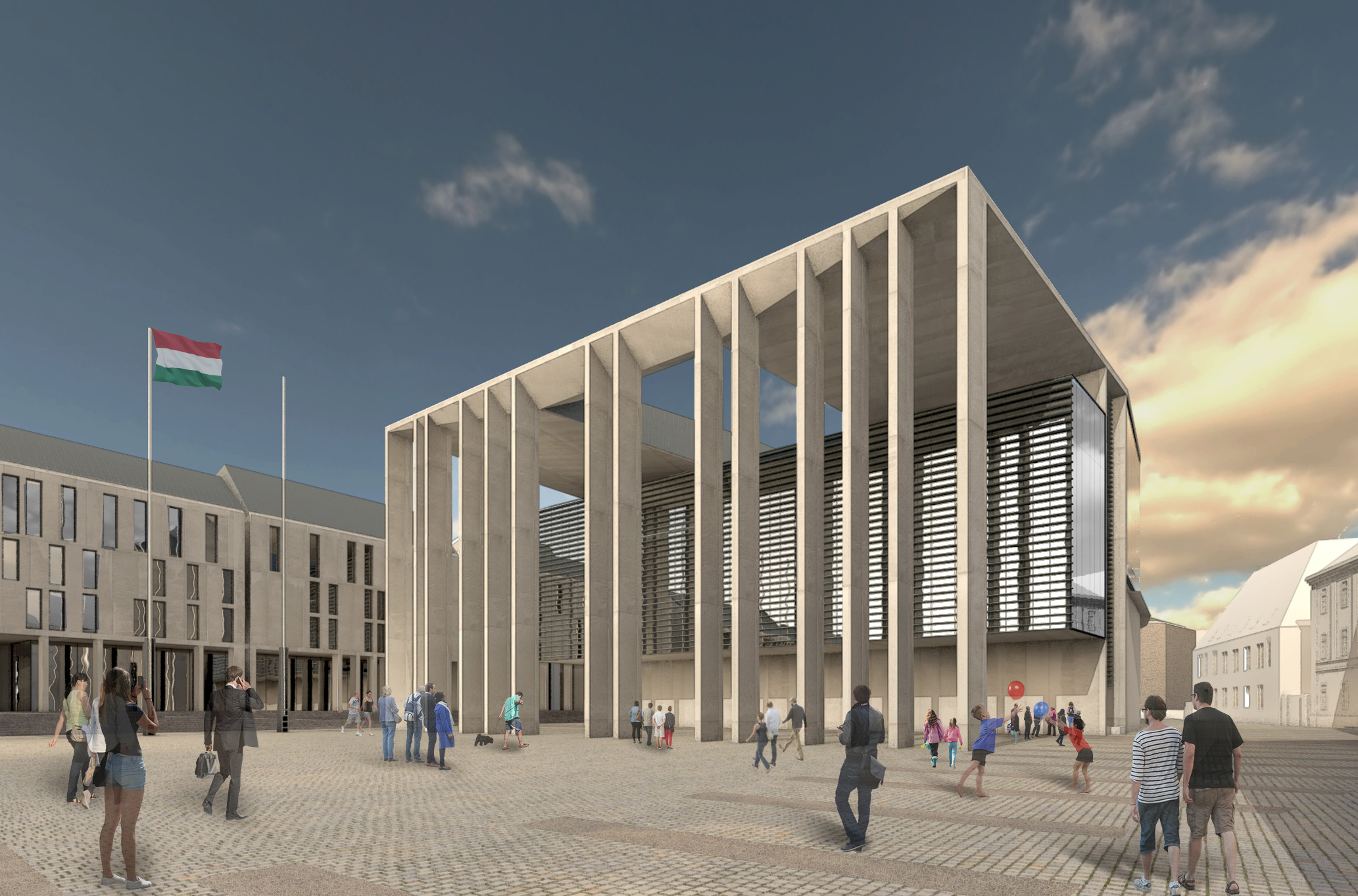
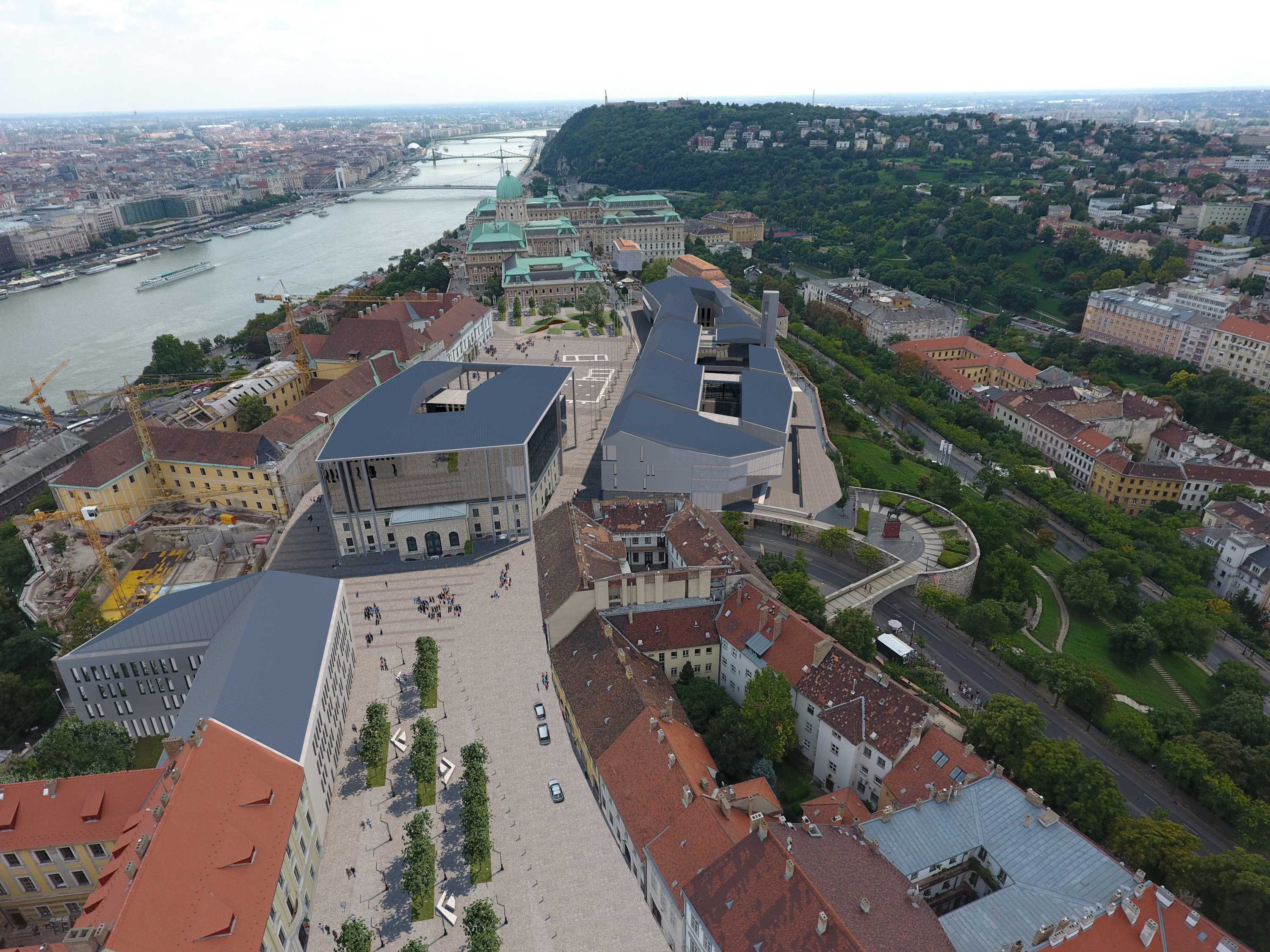
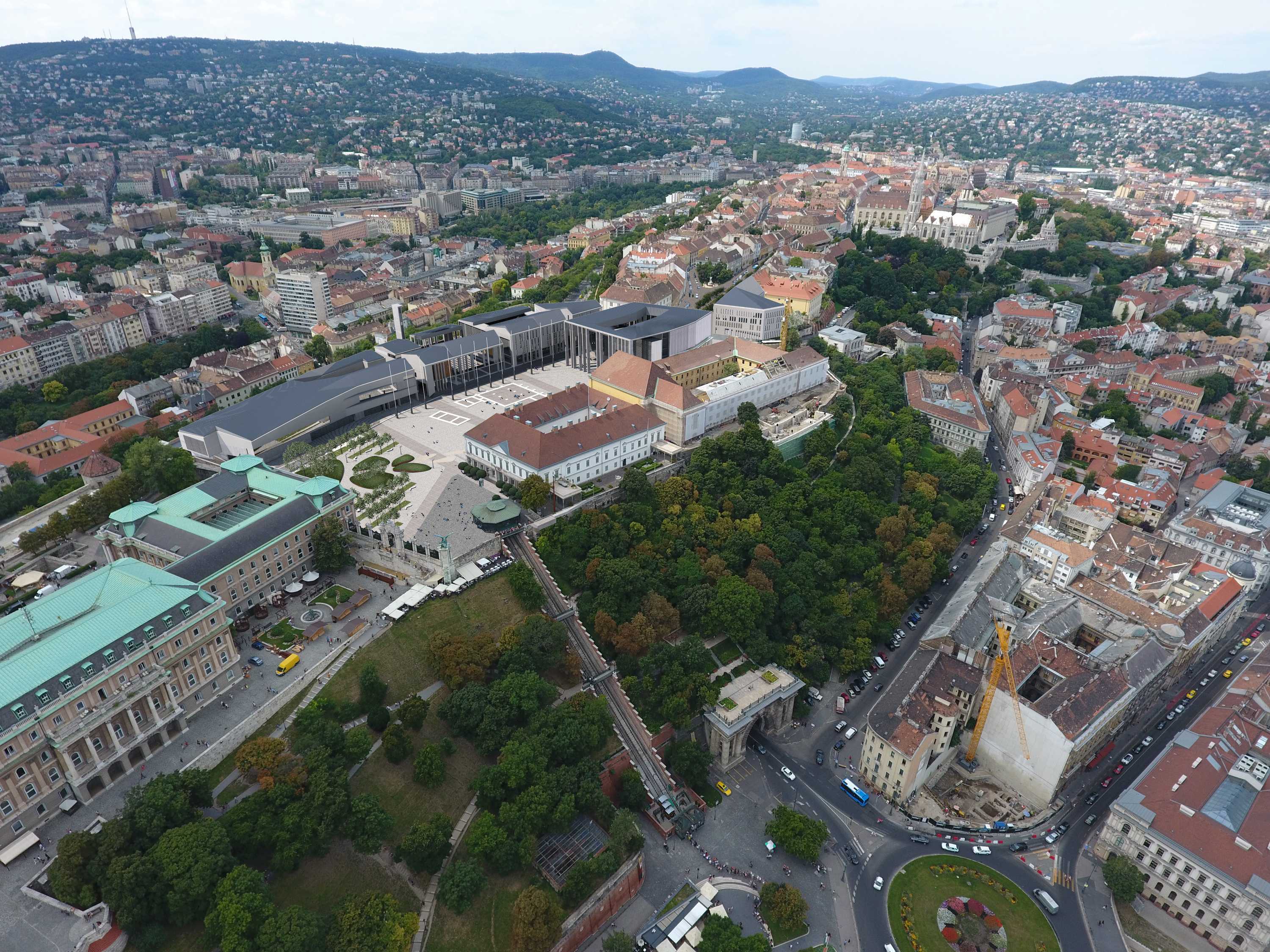
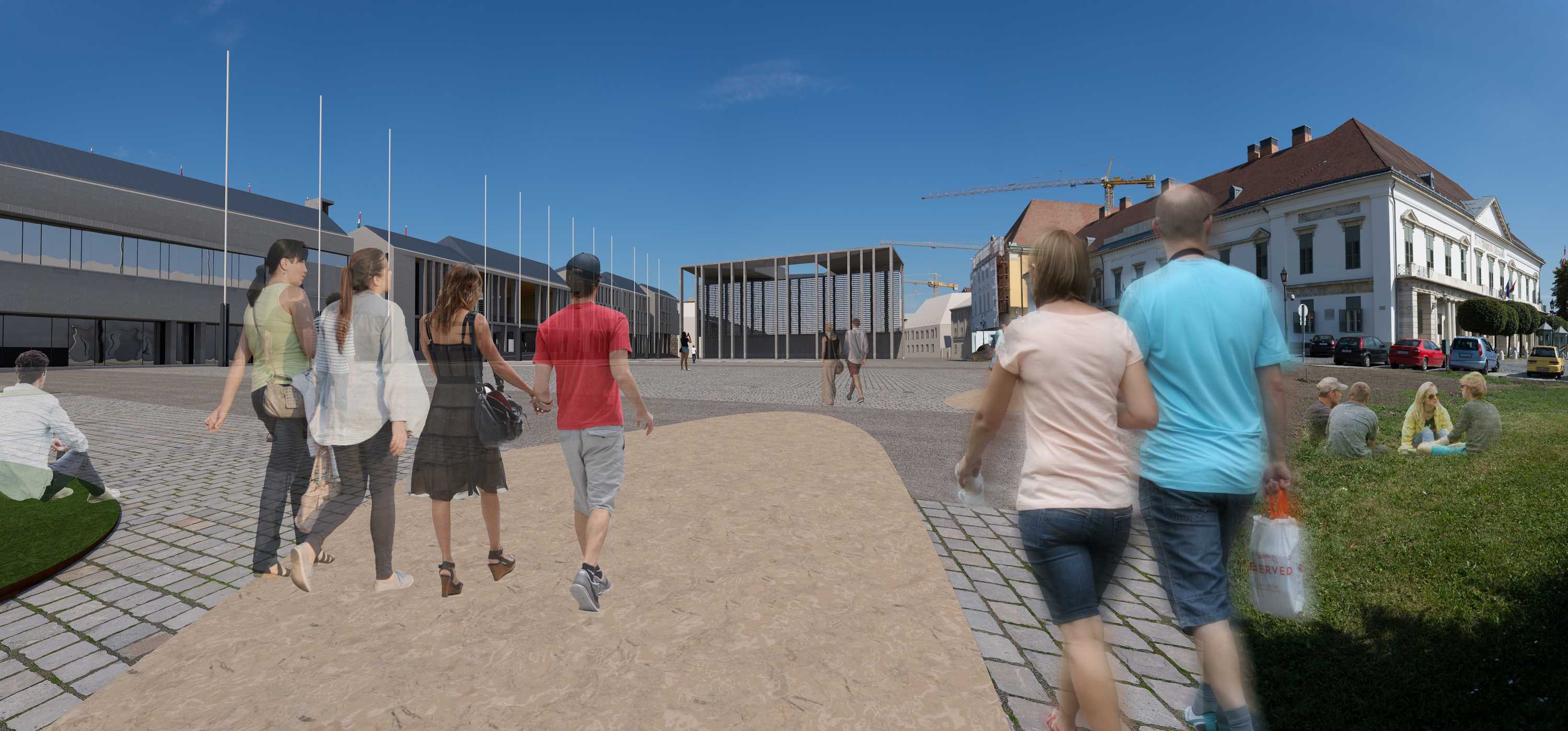
A central design strategy is the reconstruction of the western edge of the square as a strong and unified “spatial wall,” completing the enclosure of the square while carefully aligning with historic building lines and scales. This intervention not only repairs the silhouette of the castle district but also redefines the spatial character of the square, reinforcing its role as a ceremonial and urban focal point.
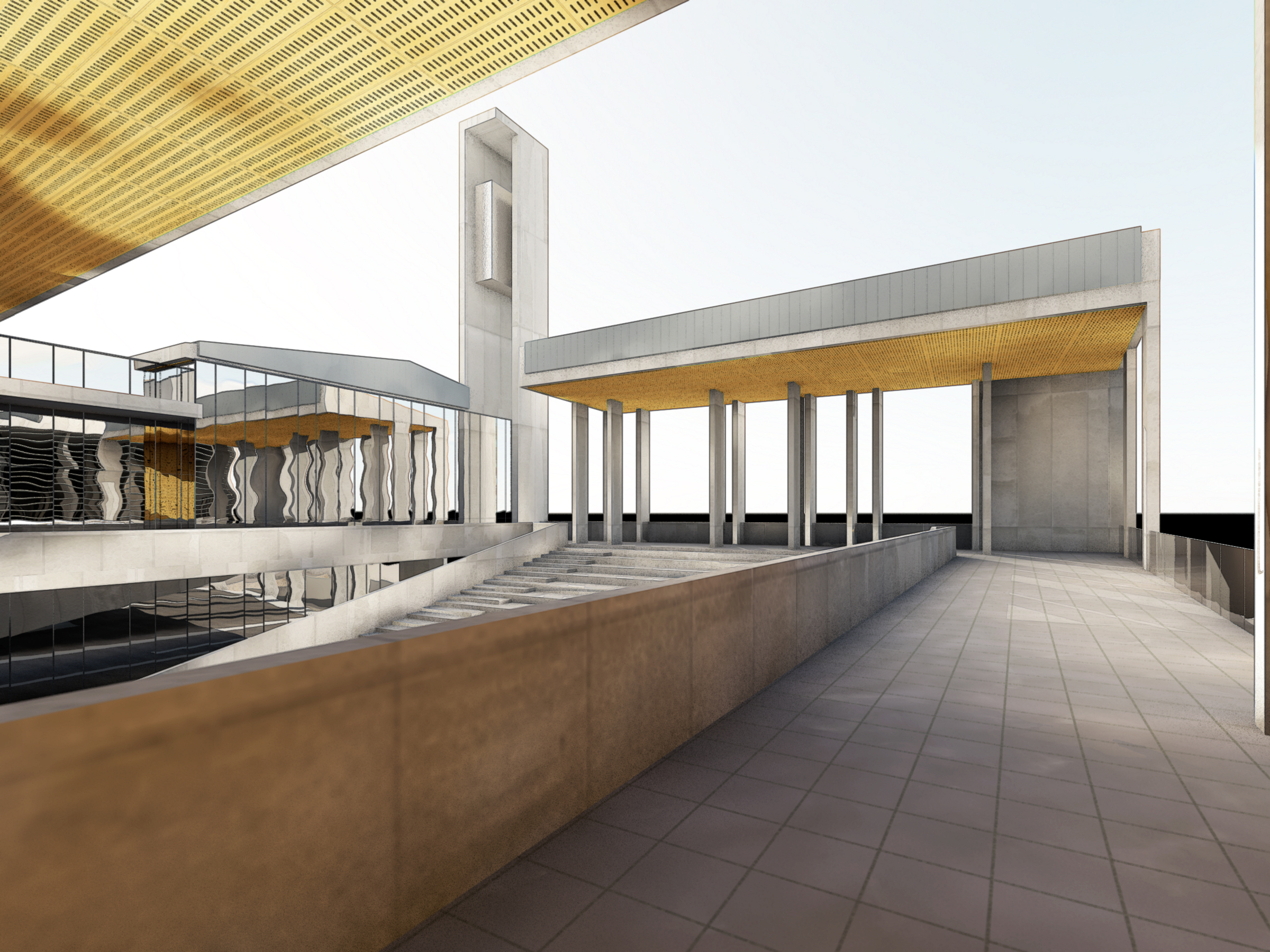
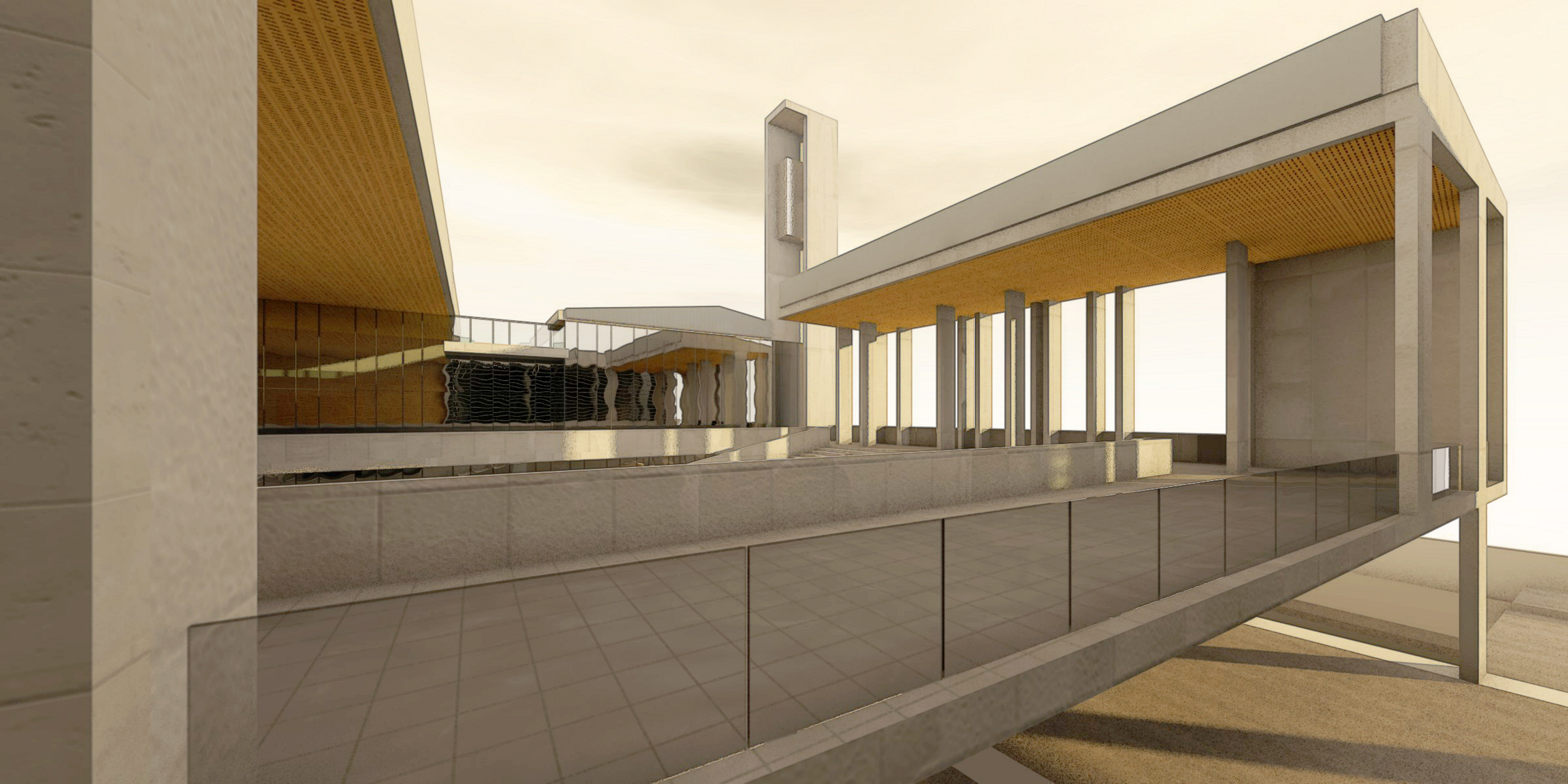
The project seeks to bridge the contrasting urban conditions of the palace quarter and the civilian town through both massing and program. A series of public and cultural functions—including exhibition spaces, a chamber hall, event venues, and a church—are introduced to activate the site throughout the day. Ground-floor uses such as cafés and restaurants open toward the castle walls and public spaces, enhancing accessibility and urban vitality.
Special attention is given to the integration and presentation of archaeological remains. Existing excavated structures are preserved and incorporated into the new development, while yet-unrevealed ruins and incomplete historic fragments are carefully embedded within the architectural concept. This approach allows the project to operate simultaneously as an urban repair, a cultural destination, and a contemporary layer within a historically stratified environment.
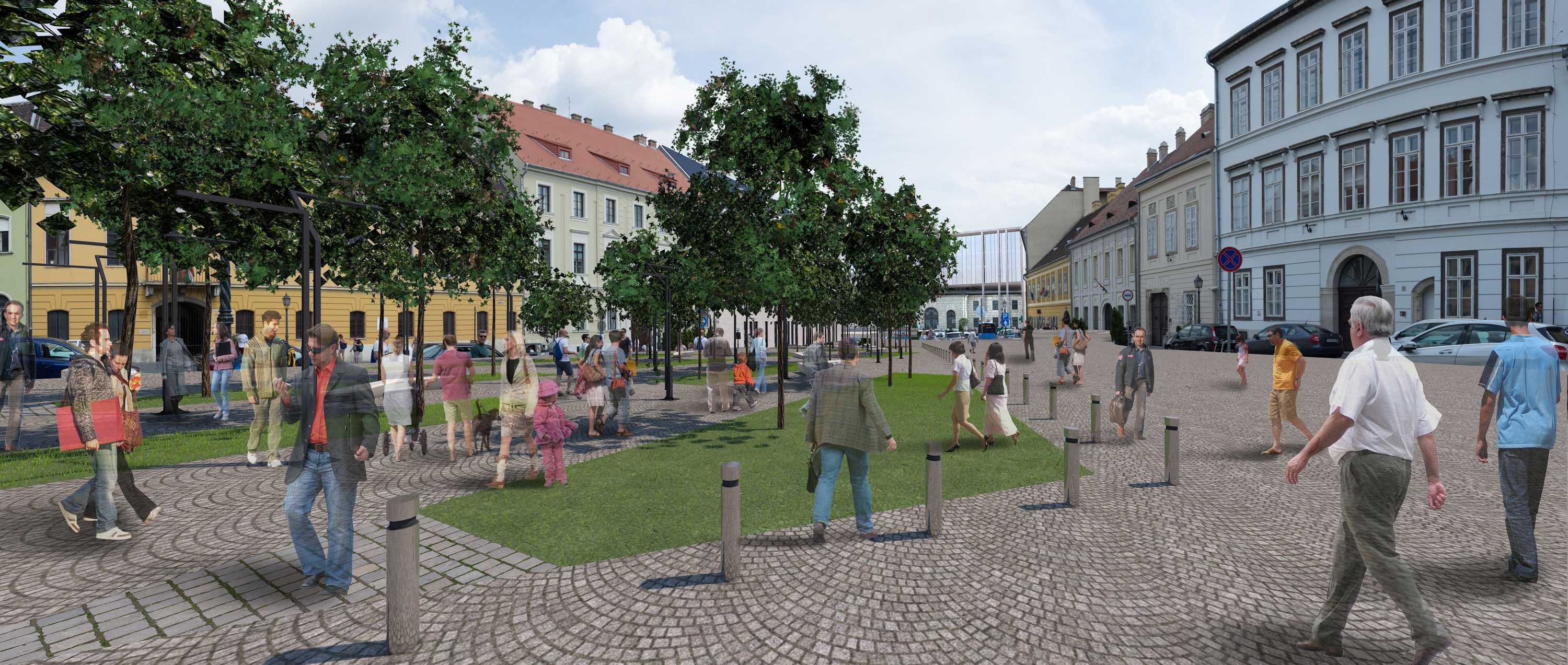
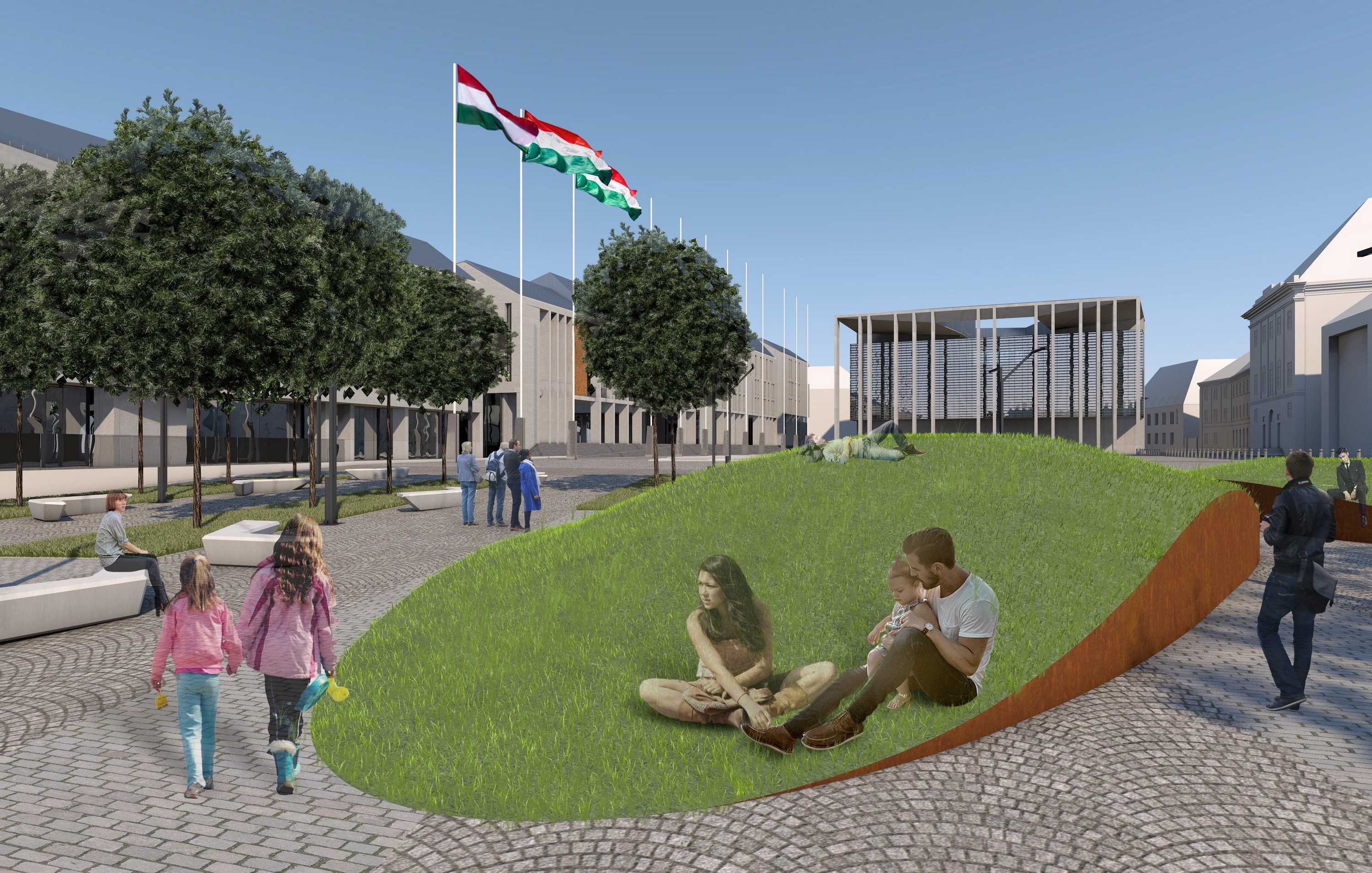
The proposal also addresses circulation and public realm improvements by simplifying traffic patterns, relocating vehicular routes, and significantly expanding pedestrian areas. These moves reinforce the square’s civic importance and enhance its usability as a public gathering space without fundamentally altering the existing public transport system.
Overall, the design establishes a cohesive vision that unifies fragmented urban elements, respects heritage constraints, and introduces a contemporary architectural language. By reconnecting spatial, historical, and social layers, the project reimagines Szent György Square as a complete and vibrant urban ensemble within the Buda Castle district.