On-site construction knowledge from real projects, exploring materials, systems, building methods and technical details through construction photos and practical architectural experience.
Construction Intelligence shares practical knowledge gained through real project experience and on-site involvement. Through construction photos captured at different stages of the building process, we explore how architectural ideas are translated into built form through materials, systems, coordination and craftsmanship.
At MSK Architects, construction knowledge is an essential part of architectural practice. These insights demonstrate our familiarity with a broad range of construction methods, building technologies and site conditions, from early structural works through to detailing, finishes and project completion.
By documenting projects during construction, this page provides a transparent view of how design intent is preserved, refined and realised through collaboration between architects, builders, consultants and trades.
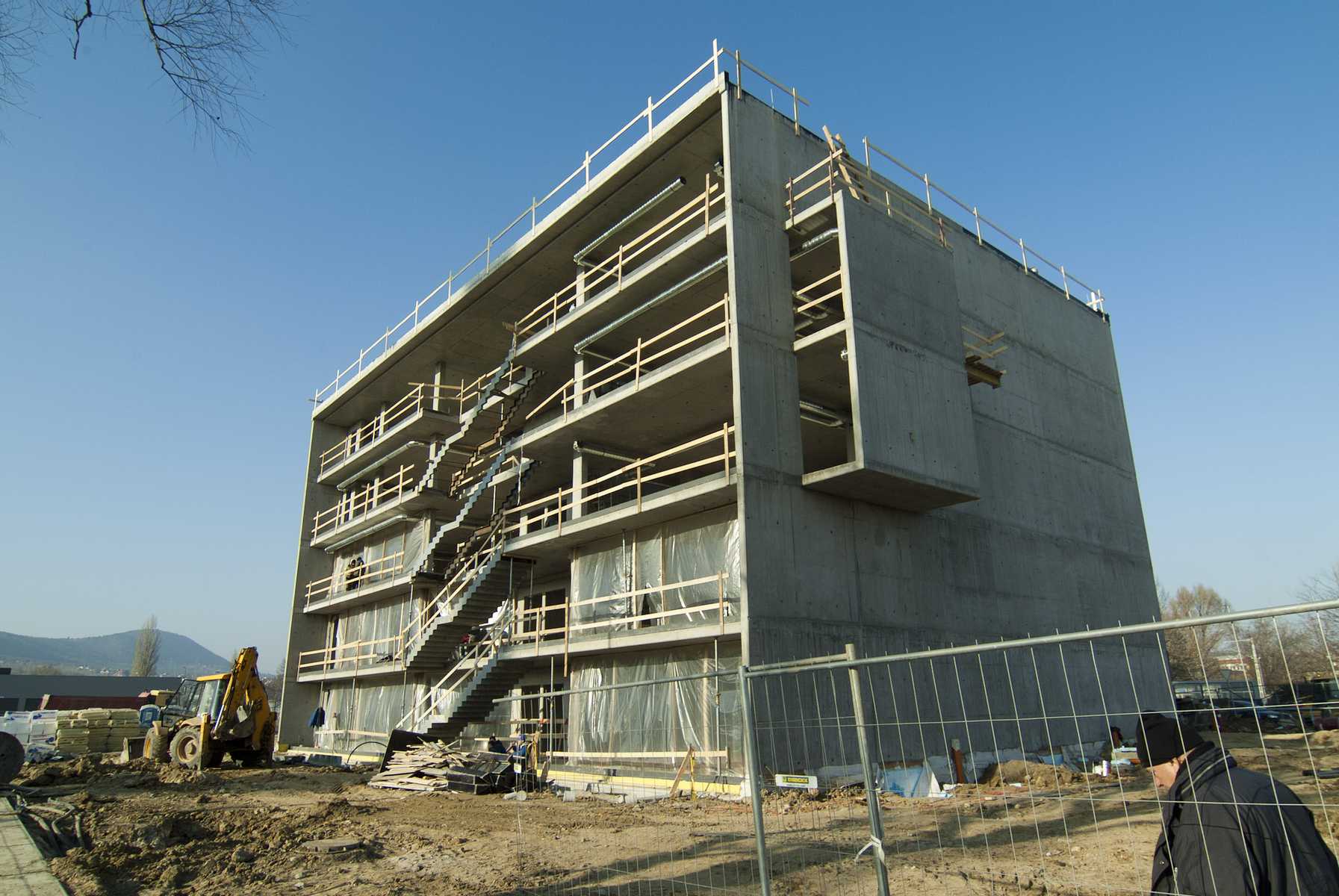
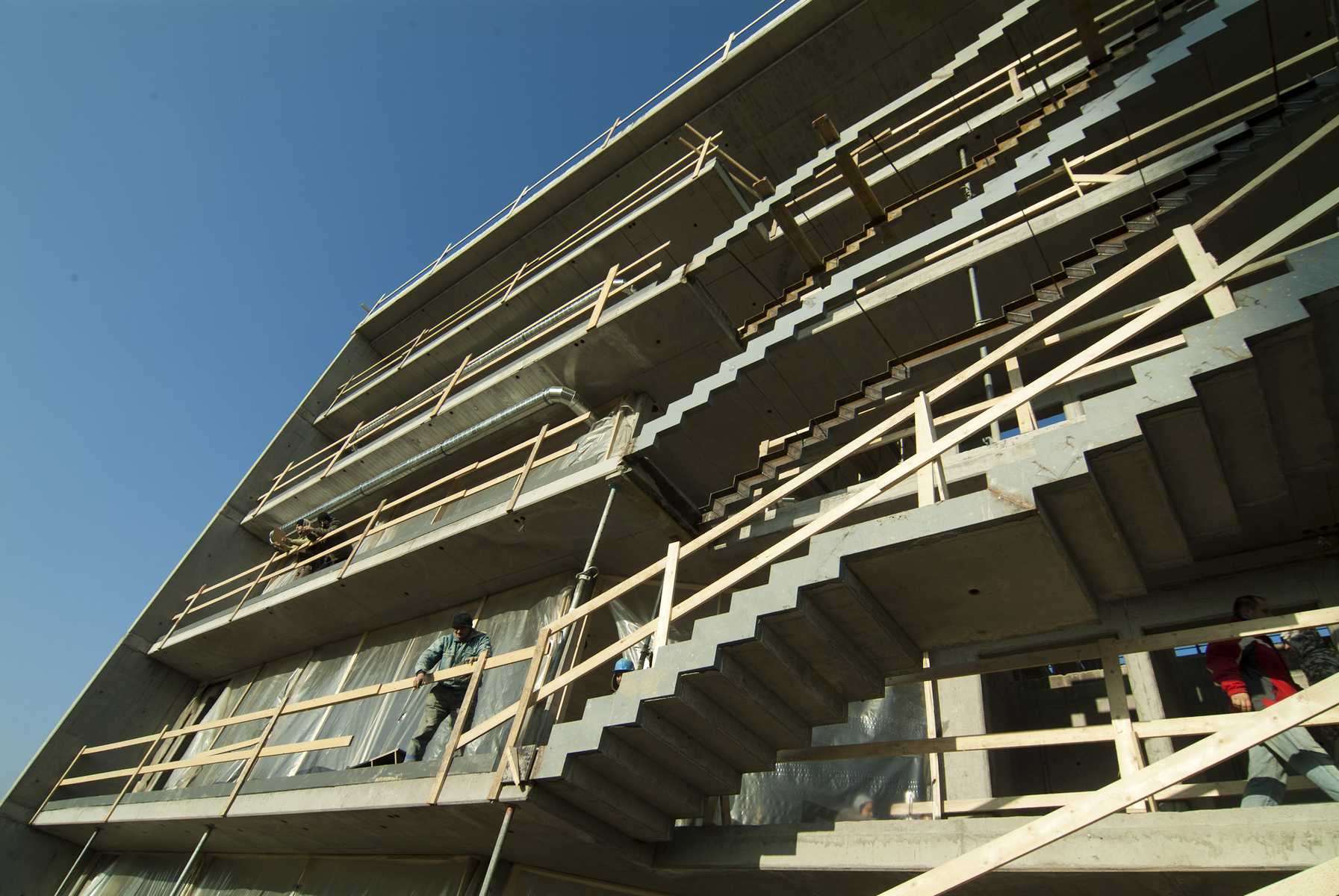
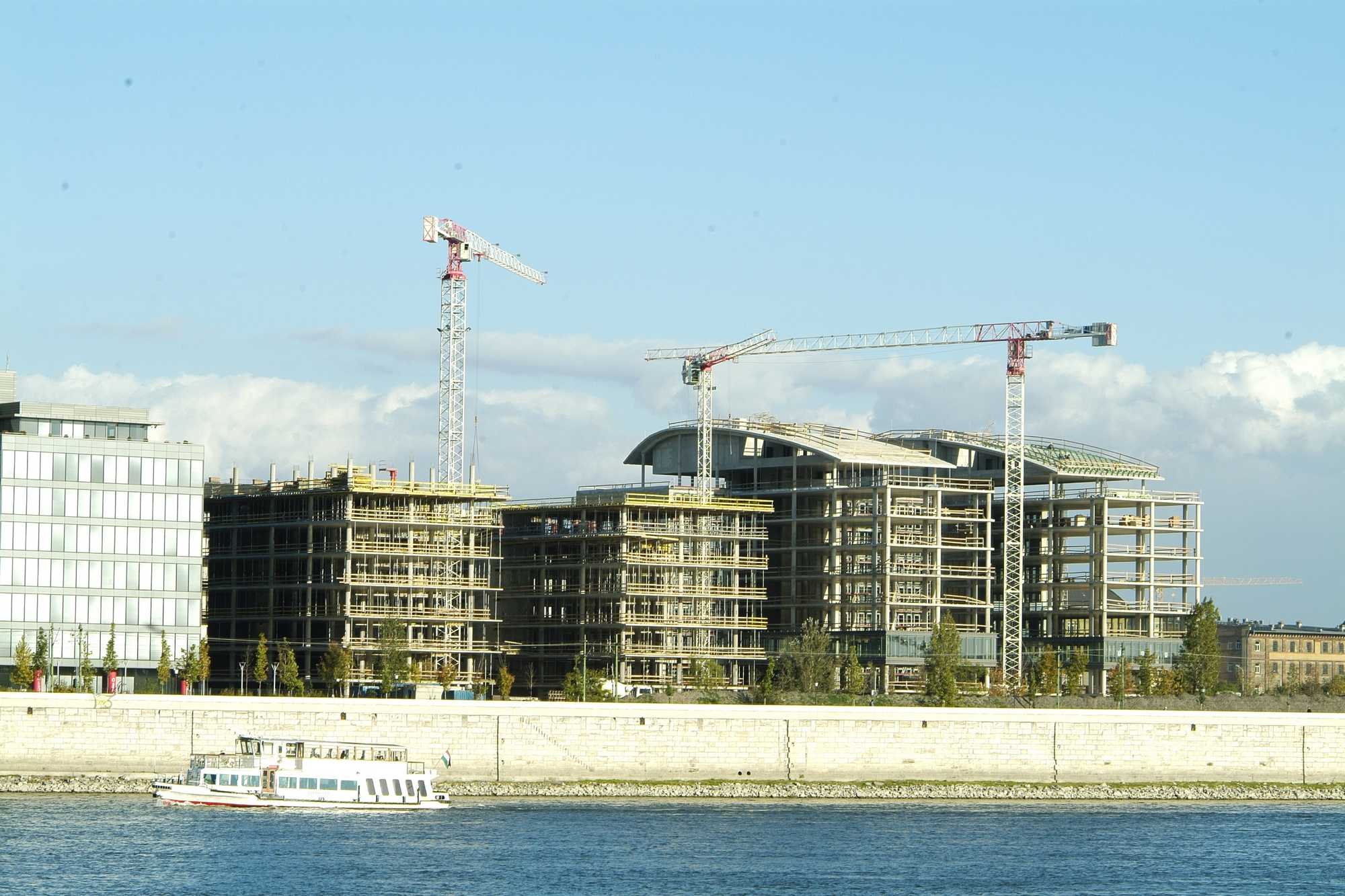
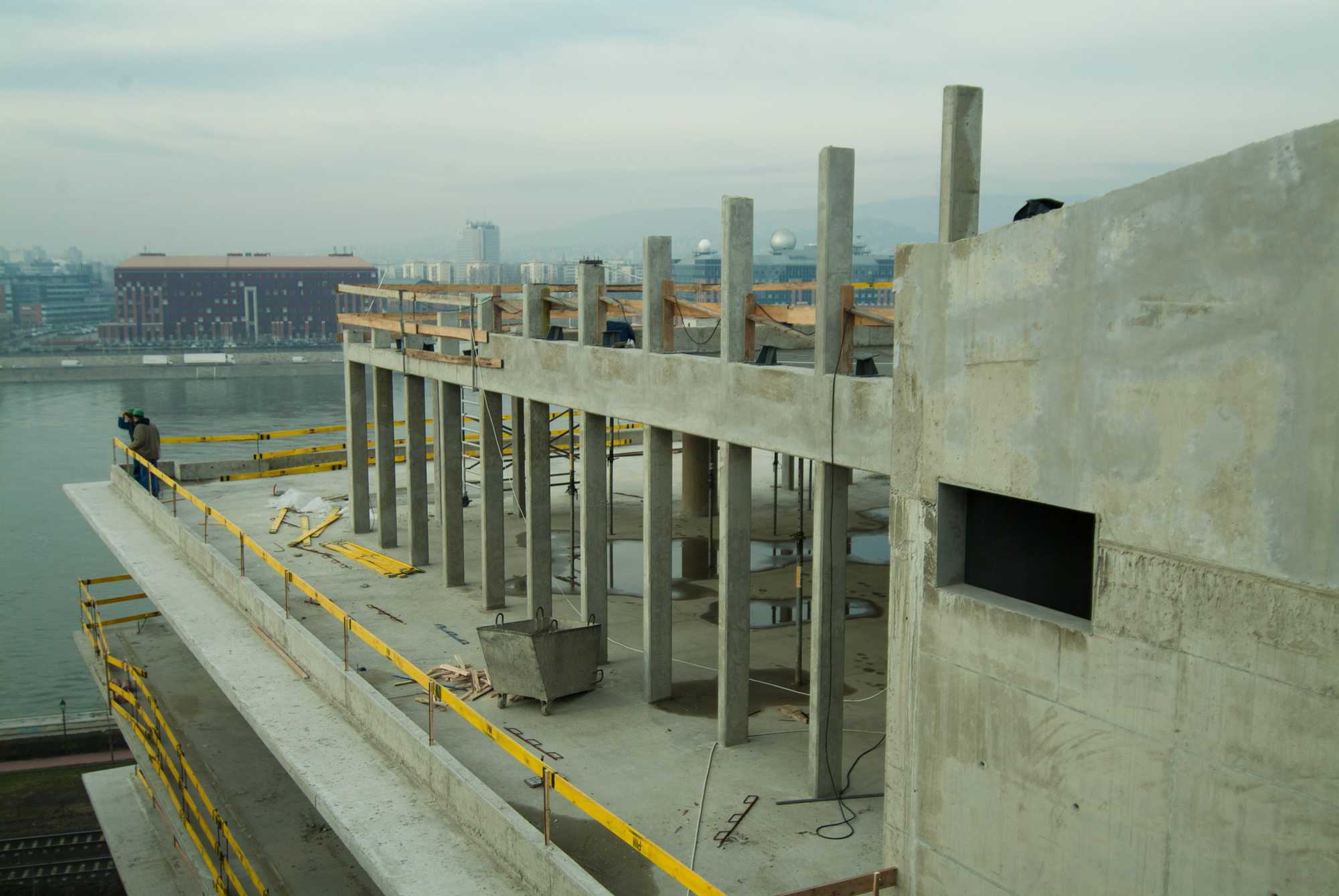
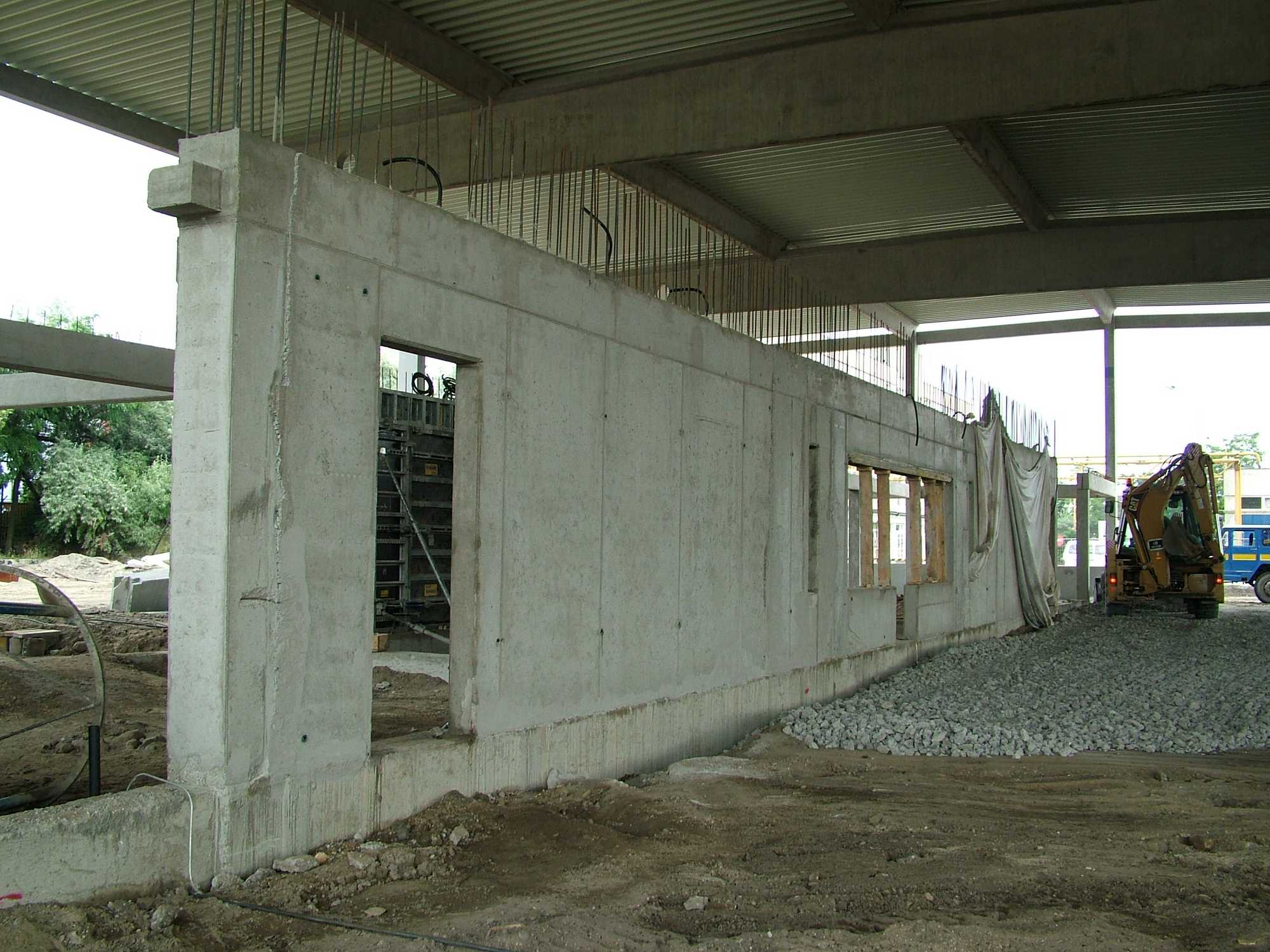
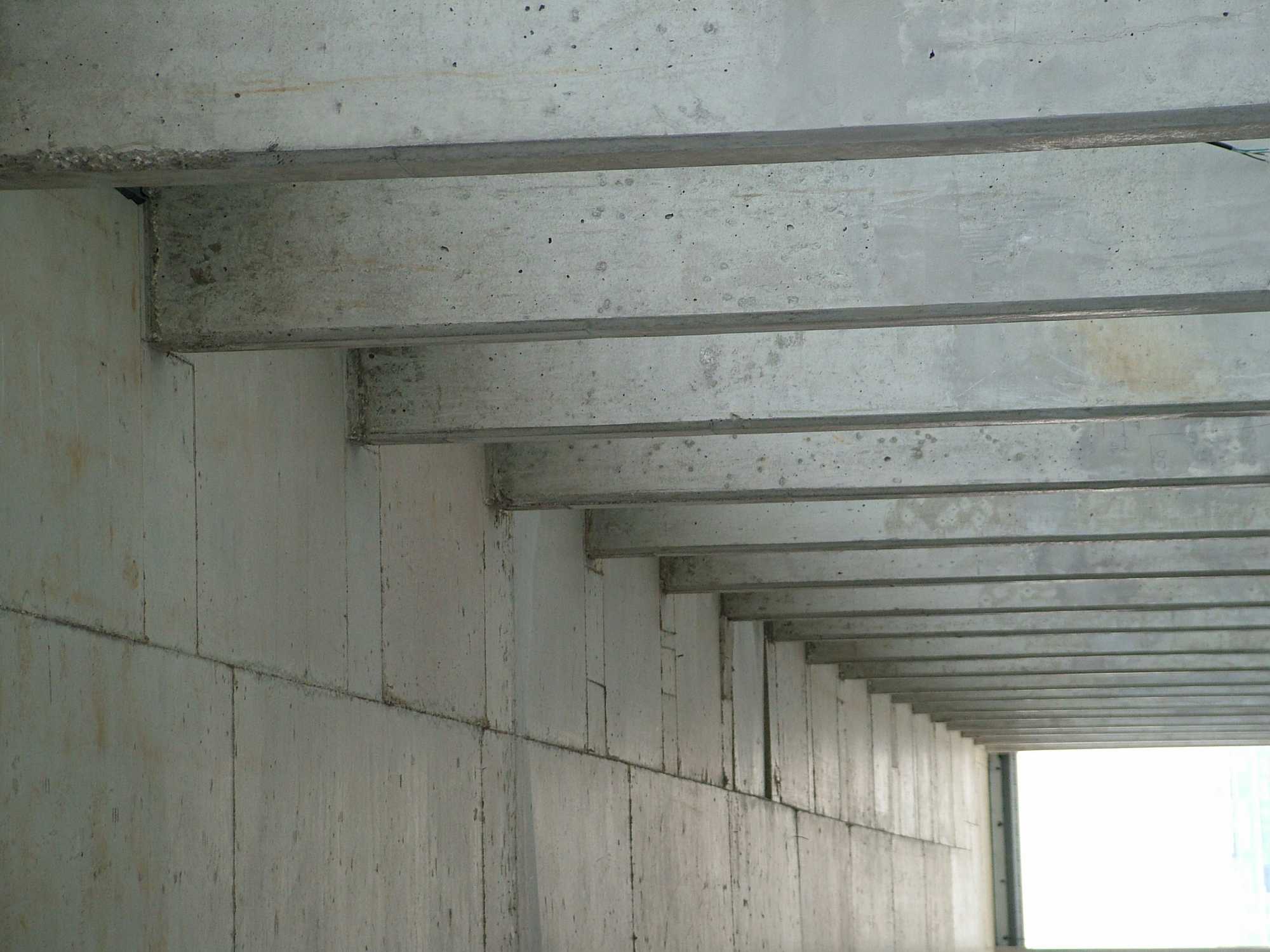
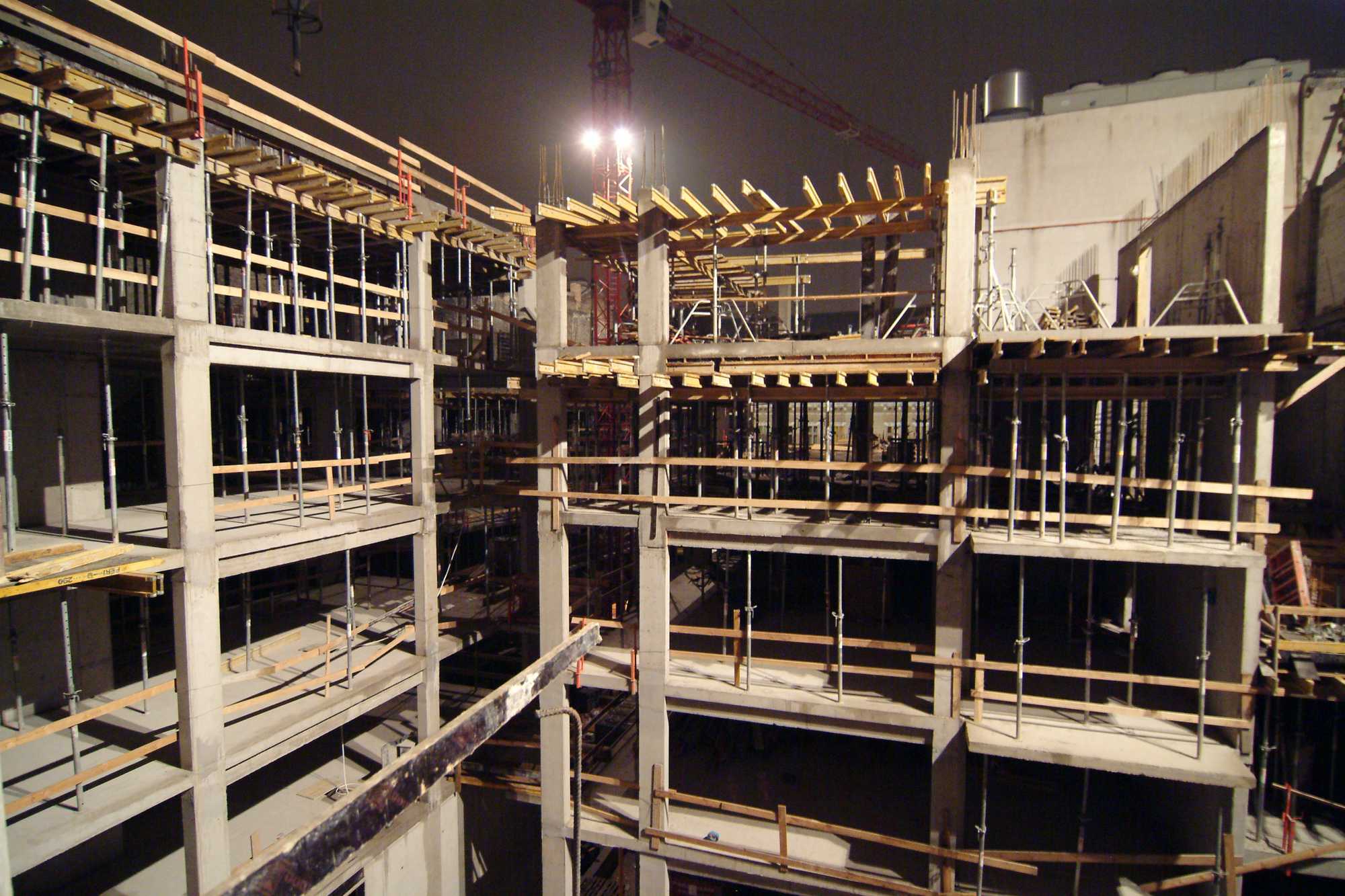
In-situ concrete construction involves concrete being poured and formed on site. This technique allows flexibility in shape, structure and architectural expression. Photos may include formwork, reinforcement, columns, walls, beams, slabs and concrete pours, showing the process behind monolithic and carefully formed concrete architecture.
The presented examples are photos of Millennium Towers II and MARKET HQ building.
photos: Sandor Duzs
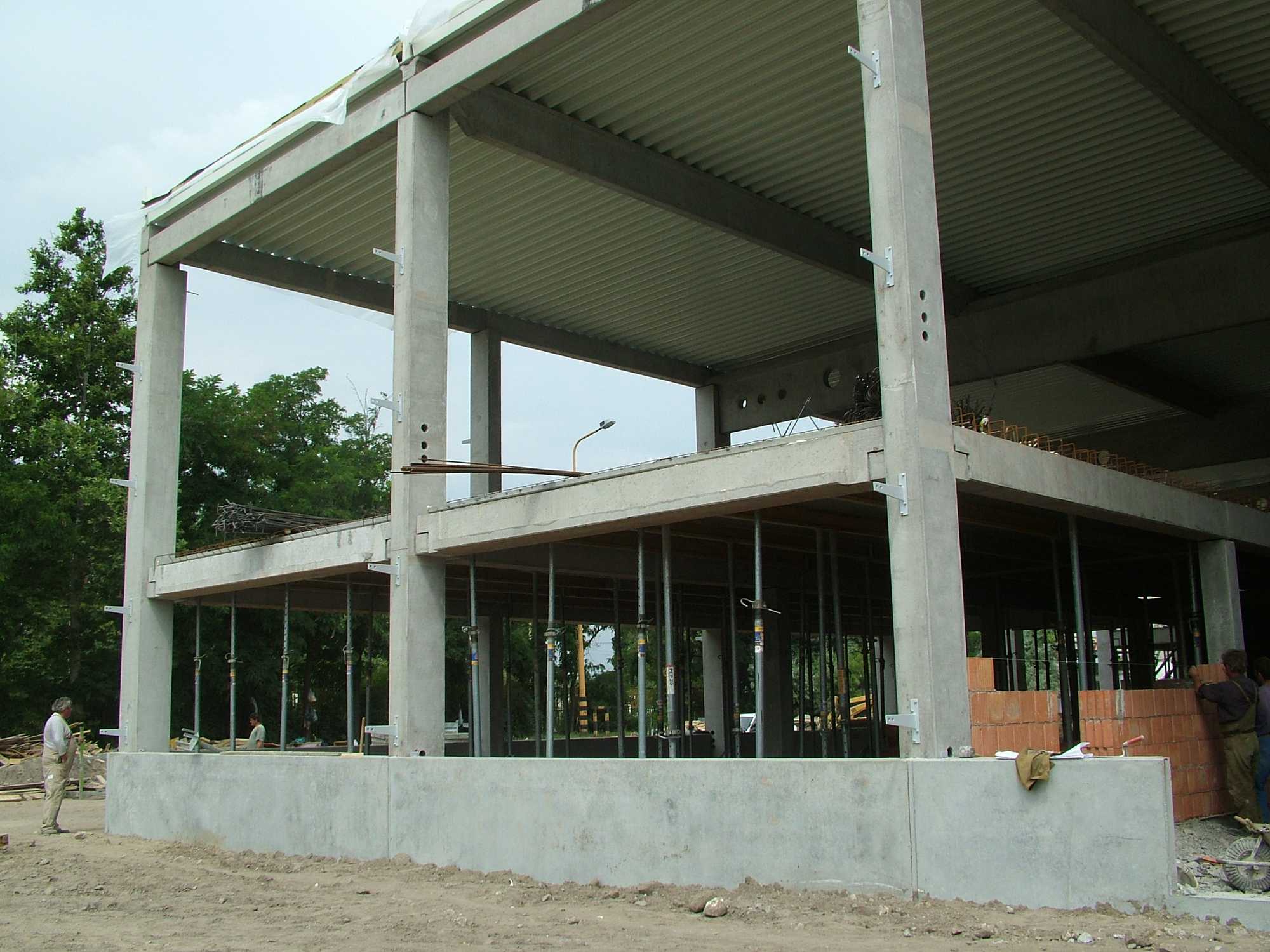
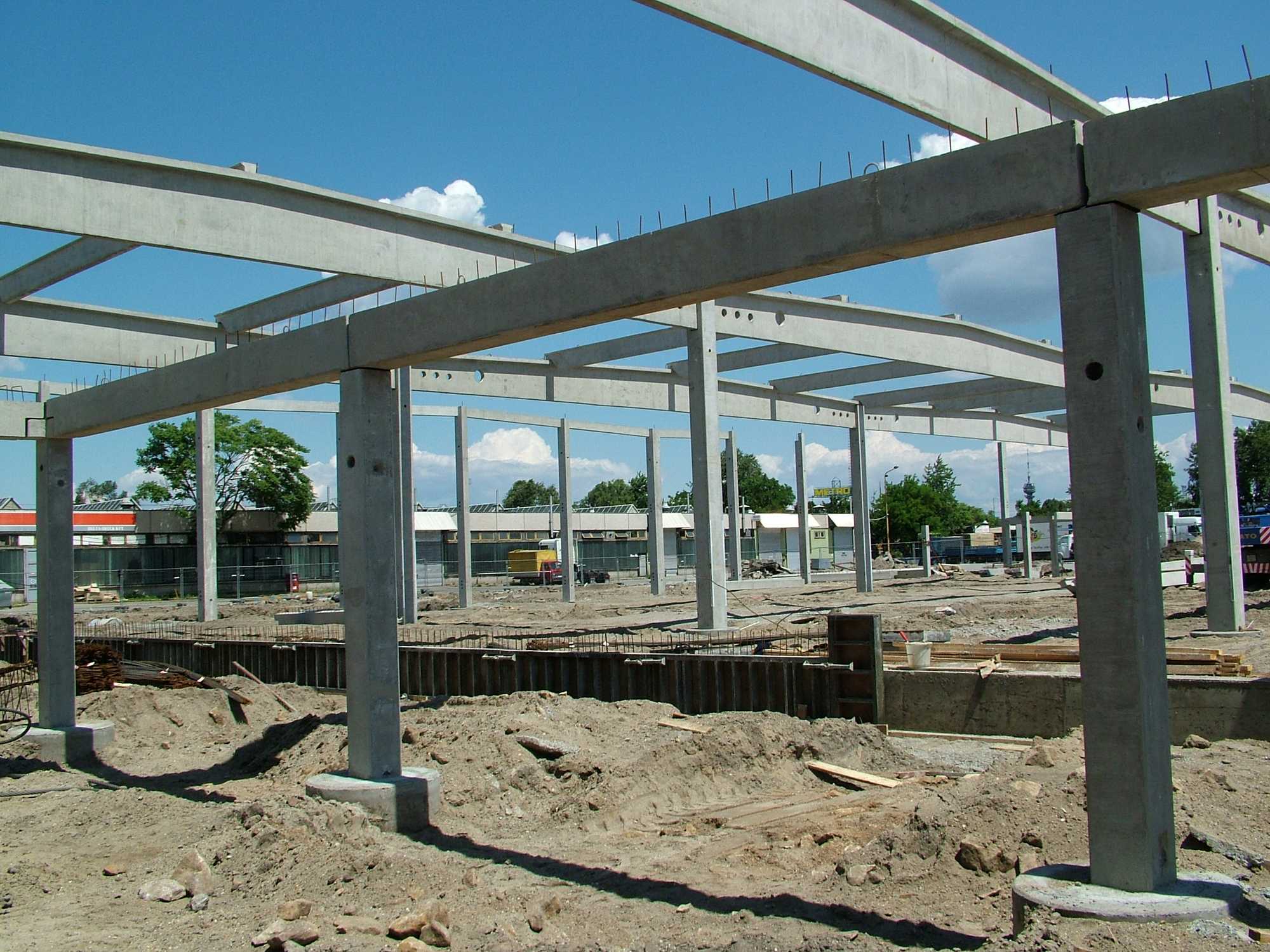
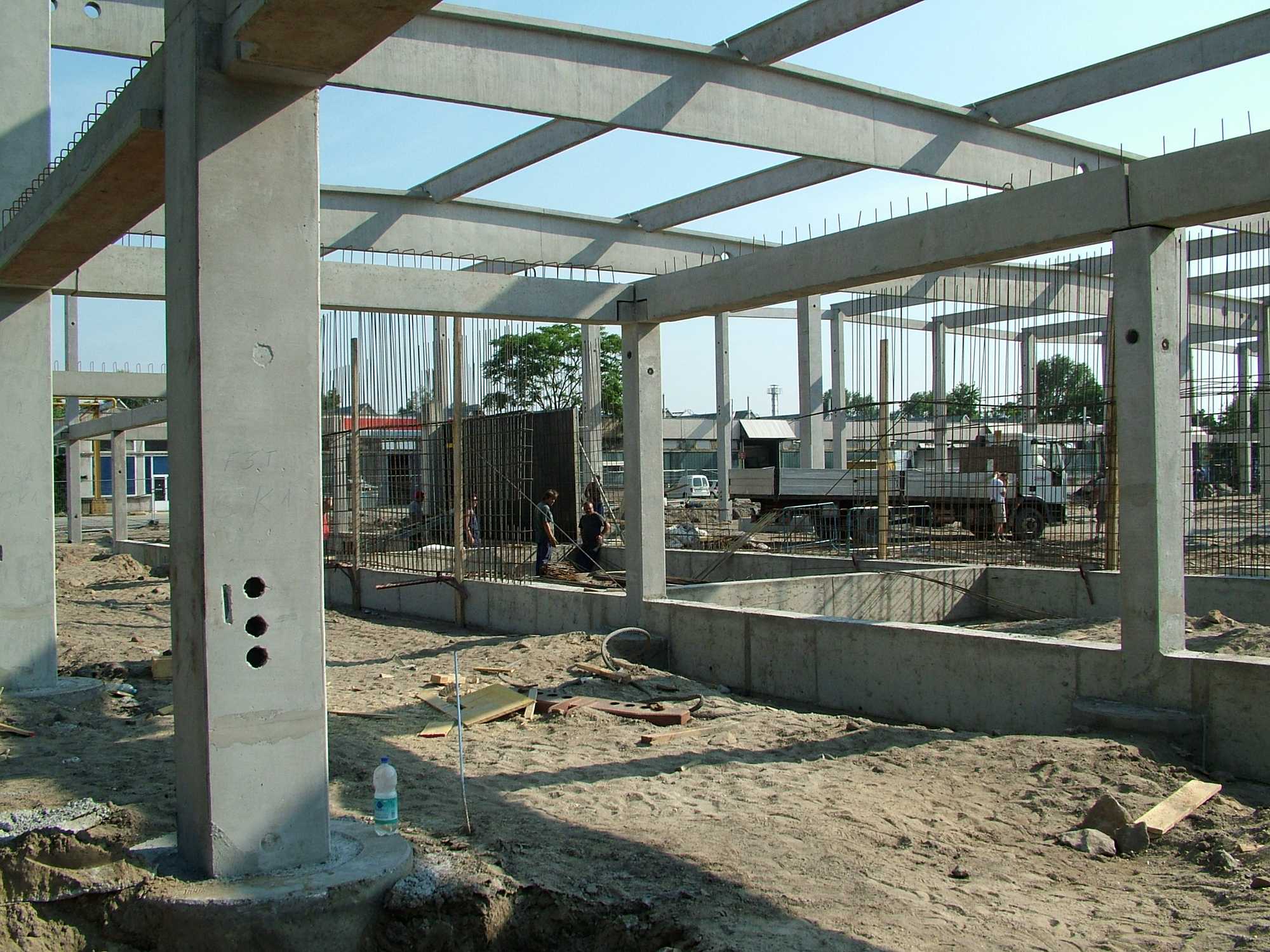
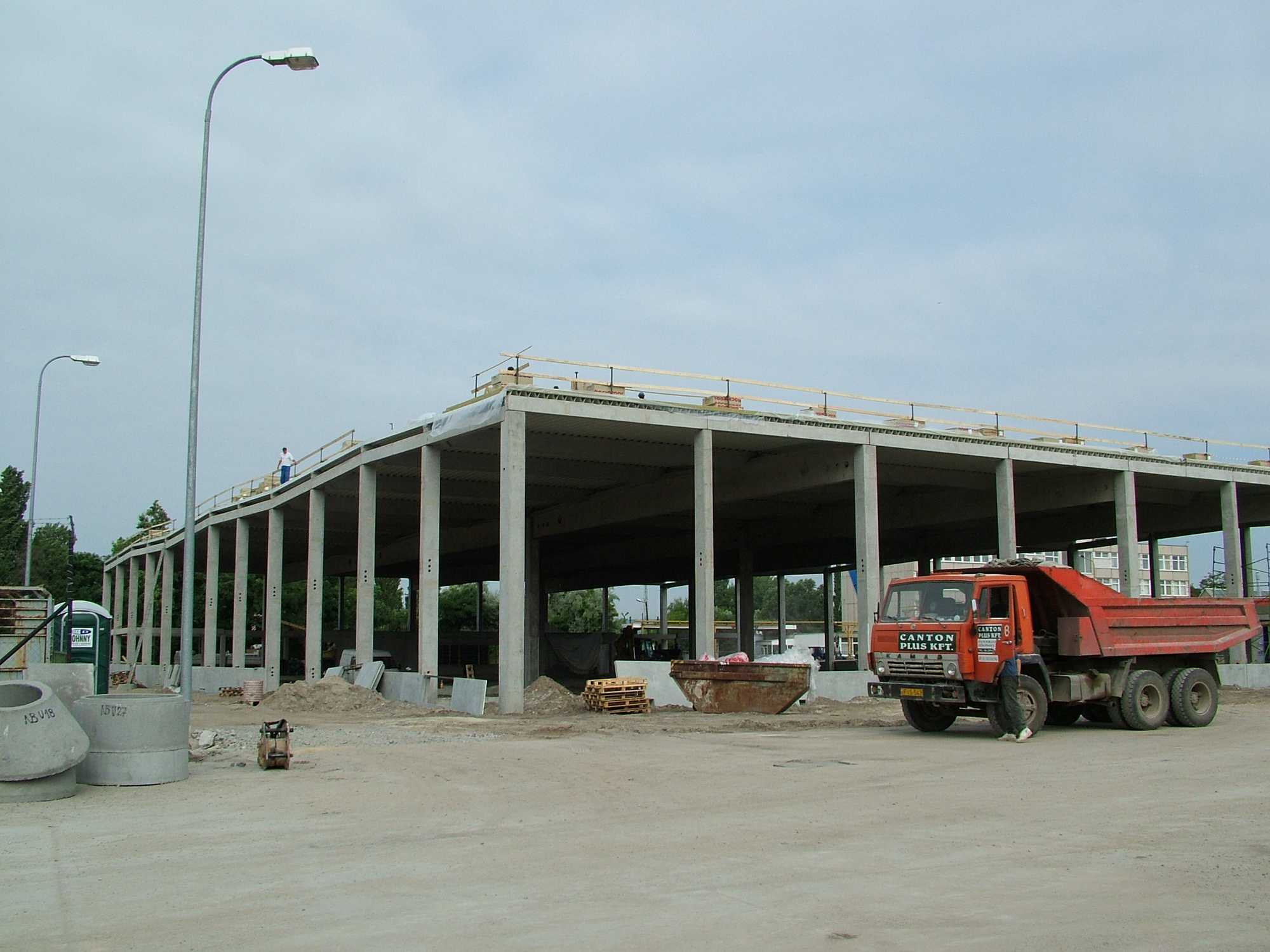
This construction sequence shows a precast concrete frame structure, where the main structural elements are manufactured off-site and assembled on site. The building frame is formed from precast concrete columns, beams and floor elements, creating a strong and efficient structural skeleton before the external envelope and internal fit-out are completed.
The images highlight the clarity and precision of precast construction. Repeated columns and long-span beams establish the main grid of the building, while the suspended floor and roof elements are installed progressively across the frame. The exposed connections, bearing points and temporary works reveal how individual concrete components are coordinated and joined to create a unified structure.
Precast concrete construction allows for faster site assembly, consistent quality control and efficient use of materials. Because many components are produced in controlled factory conditions, the on-site process can focus on accurate positioning, structural alignment, connection detailing and coordination with other trades.
This type of structure is particularly suited to commercial, industrial and large-format buildings where durability, speed of construction and open internal spaces are important. The construction photos provide insight into how a building takes shape through a coordinated system of prefabricated concrete components, demonstrating the relationship between structural design, fabrication, transport and on-site installation.
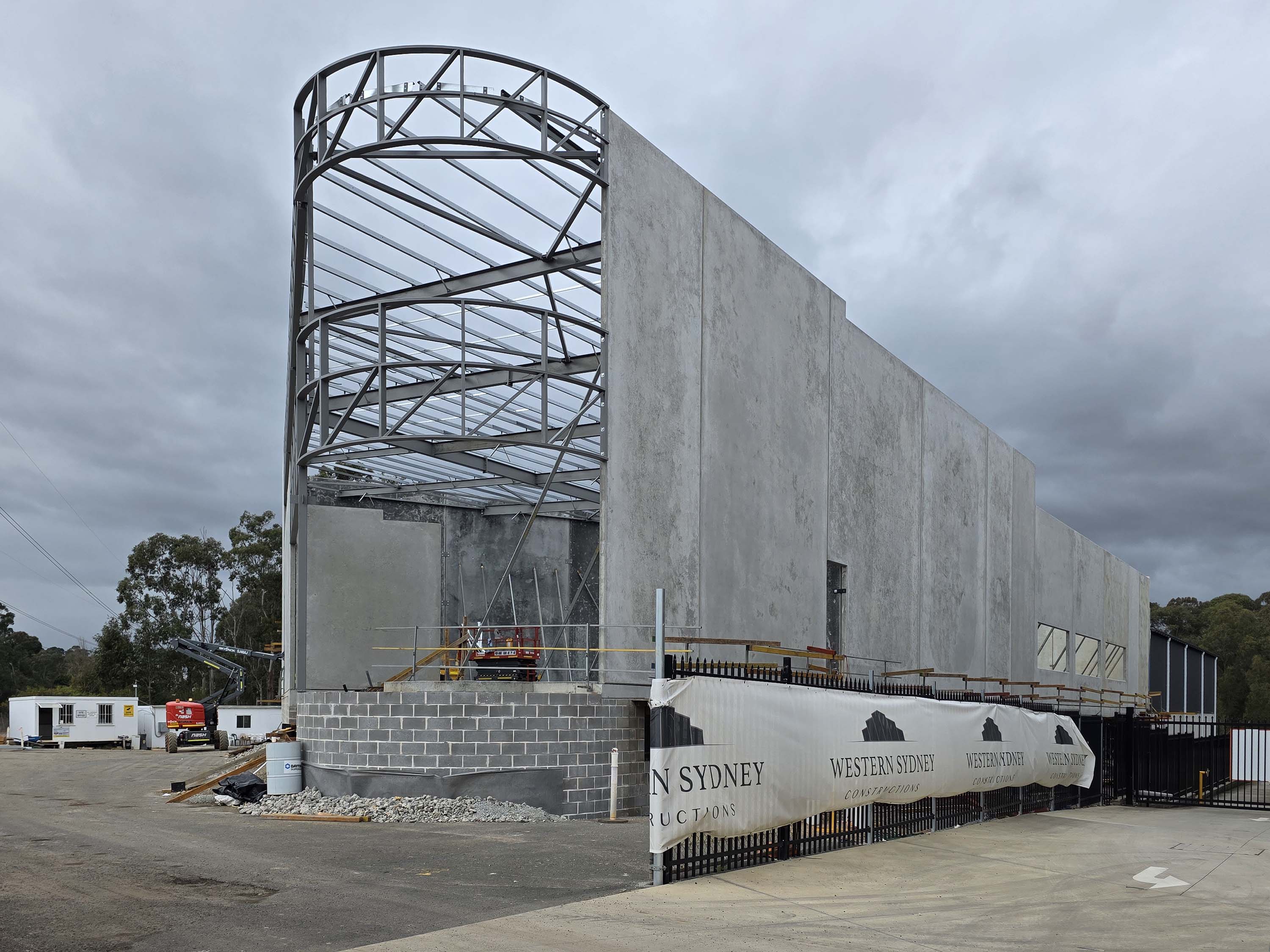
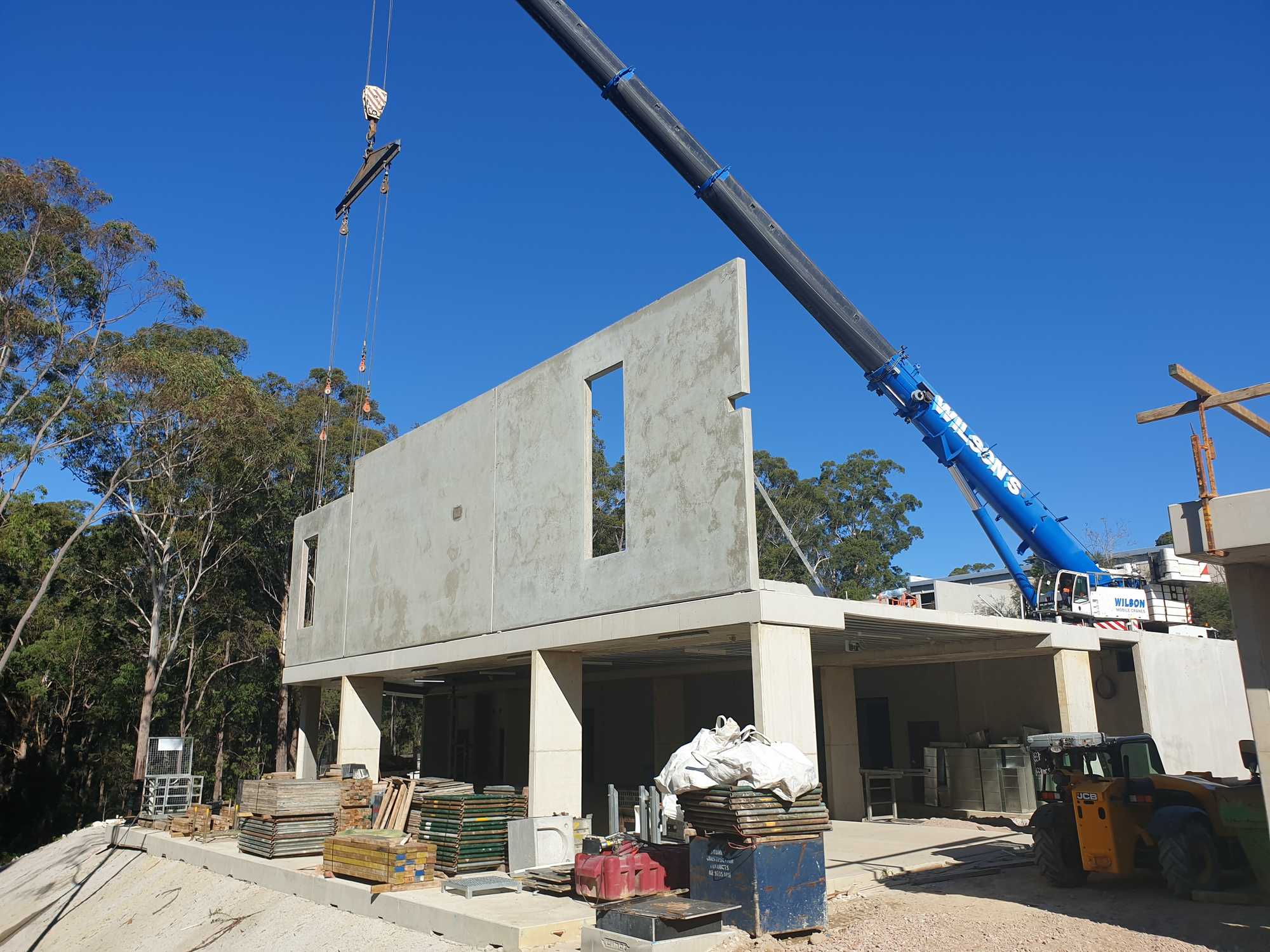
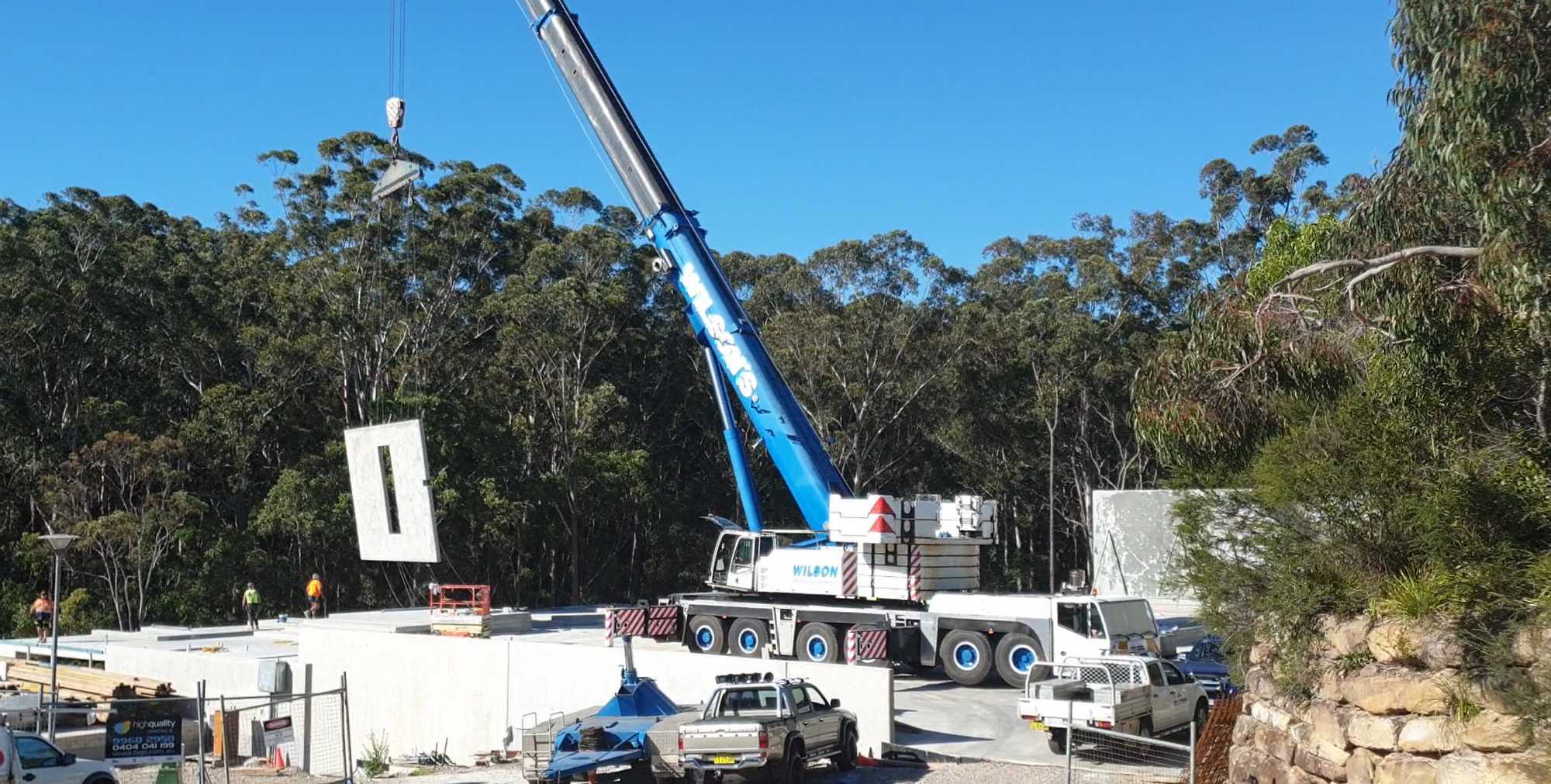
Tilt panel construction is a building method where large concrete wall panels are cast horizontally on site, then lifted into their final vertical position using a crane. Once installed, the panels form the external walls, structural walls or façade elements of the building.
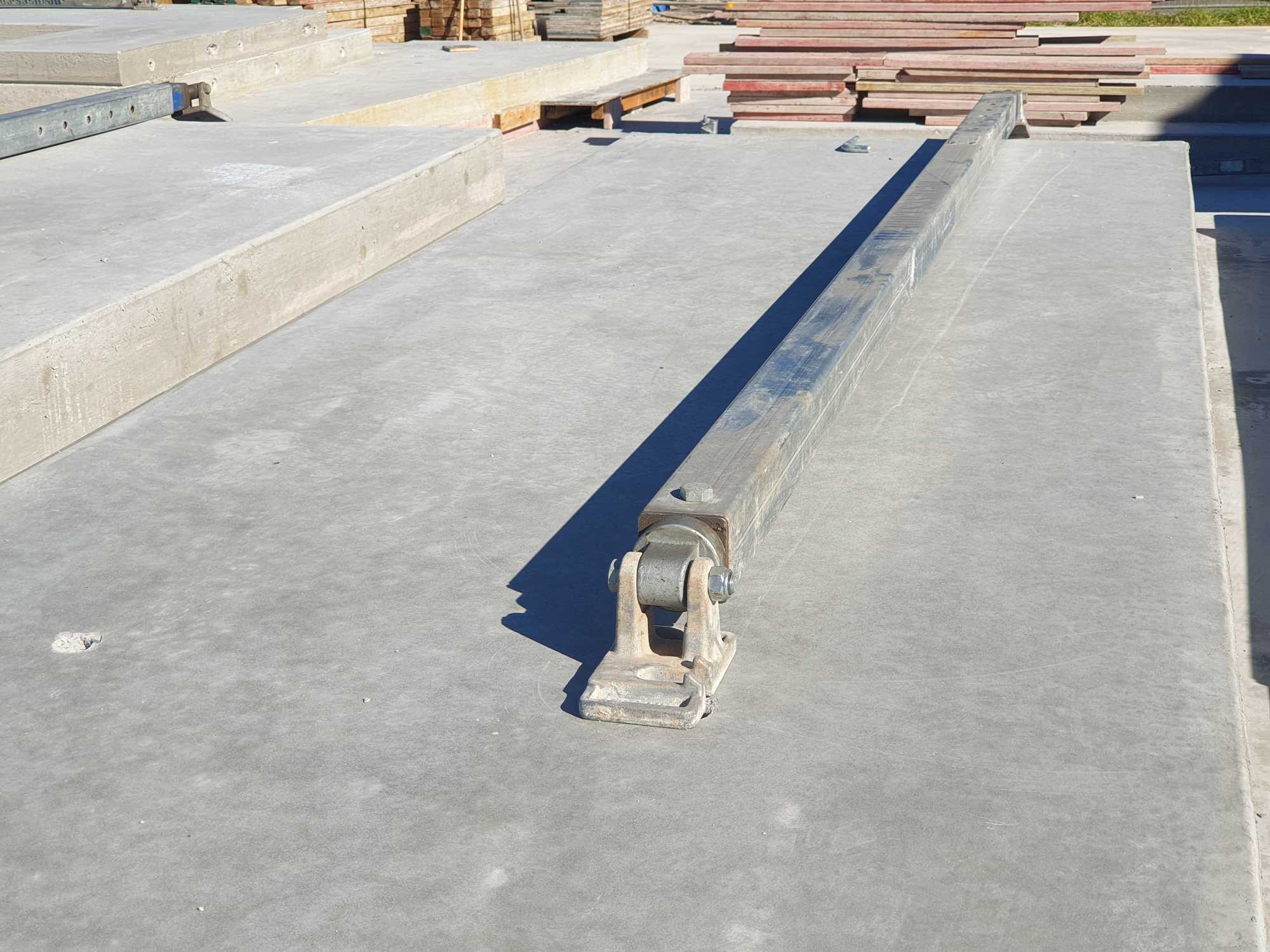
These images show the key stages of the process. The panels are first formed and poured on a flat casting surface, with lifting inserts, edge details and openings incorporated before the concrete cures. After curing, temporary lifting hardware is attached, allowing each panel to be carefully craned from the horizontal position and rotated upright.
The installation stage requires close coordination between the crane operator, builders and site team. Each panel is lifted, guided into position and temporarily braced until it is structurally connected to the floor, roof or adjoining wall elements. Window and door openings are already formed into the panels, reducing the amount of work required after installation.
Tilt panel construction is commonly used where speed, durability and efficient enclosure are important. Because the wall panels are made on site, the method can suit projects where large precast elements would be difficult to transport. It also allows major parts of the building envelope to be erected quickly, creating a robust concrete structure with a clean, simple external form.
These construction photos demonstrate the practical relationship between design, casting, lifting, bracing and final assembly. They show how large concrete panels become precise architectural and structural elements through careful planning, sequencing and on-site coordination.

Lorem ipsum dolor sit amet, consectetur adipiscing elit, sed do eiusmod tempor incididunt ut labore et dolore magna aliqua. Ut enim ad minim veniam, quis nostrud exercitation ullamco laboris nisi ut aliquip ex ea commodo consequat. Duis aute irure dolor in reprehenderit in voluptate velit esse cillum dolore eu fugiat nulla pariatur.
Block quote
Ordered list
Unordered list
Bold text
Emphasis
Superscript
Subscript